Print Story
X




The murder of Dr Mehwish is part of a pattern of violence against frontline health workers
| D |
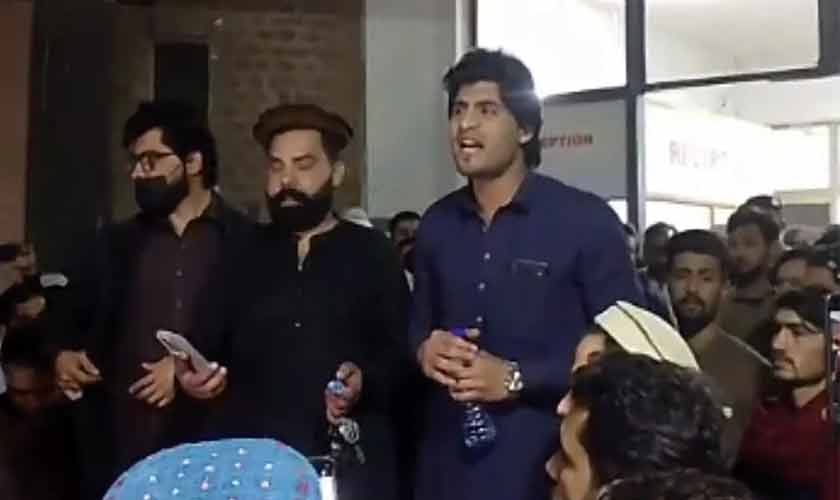
r Mehwish Hira, 36, was gunned down on KDA Road in Kohat, near the hospital where she worked. This happened minutes after she had finished her duty shift. The news spread rapidly, first on social media, and then across mainstream outlets, triggering grief, anger and fear among healthcare workers. Within hours, medical services across hospitals in Kohat were suspended as doctors walked out in protest, demanding justice for their colleague.
Police learnt that Dr Mehwish, a medical officer at the District Headquarters Hospital, was attacked on her way home. The shooting occurred on the road in the Kohat Development Authority area. The unidentified assailants fled unchallenged.
Police officials said the attack followed a minor altercation during work. An attendant [a patient’s attendant or a hospital worker?], they said, carried out the fatal shooting. The killing drew widespread condemnation, not only for its brutality, but also for what it revealed about the risks faced by doctors.
The victim’s family registered a complaint with the police. The Young Doctors Association, Kohat, joined by doctors from other districts, observed a Black Ribbon Day to protest the killing and press for accountability.
As outrage mounted, the investigation quickly escalated into a high-profile affair. The police moved swiftly, arresting the suspects within days.
On February 27, a government delegation visited the bereaved family to offer condolences and assurances of a transparent inquiry. The delegation included Shafee Jan, the special assistant to the chief minister on information, Health Minister Khaliq-ur-Rehman, Minister Aftab Alam, MPA Kohat Daud Afridi, Commissioner Syed Mutasim Billah Shah, the Kohat deputy commissioner, the DHQ Hospital medical superintendent and some other senior officials.
The officials told the family that all available resources would be utilised to bring those responsible to justice. They confirmed that the suspects had been arrested and said a thorough investigation was under way. They also said the family would be provided full legal and administrative support.
Even as the investigation progressed, the killing came to symbolise a broad crisis. In recent weeks, incidents of violence in public hospitals have raised alarm across the province.
At Saidu Teaching Hospital in Swat, some attendants accompanying the patients vandalised the Emergency Ward, damaging property and disrupting services. In another incident on March 8, a mob stormed the DHQ Hospital in Mardan, assaulting doctors and paramedics.

Doctors, healthcare workers and social activists across Khyber Pakhtunkhwa have staged protest demonstrations against Dr Mehwish’s killing, calling for systemic reforms to ensure their safety. The demonstrations reflect a growing sense of vulnerability among frontline healthcare providers.
For many in the medical community, these are not isolated events but part of a troubling pattern. Doctors, healthcare workers and social activists across Khyber Pakhtunkhwa have staged protests against Dr Mehwish’s killing, calling for systemic reforms to ensure their safety. The demonstrations reflect a growing sense of vulnerability among frontline healthcare providers.
Dr Asfandyar, provincial president of the Young Doctors Association says public hospitals in the province are under immense strain. Overcrowding, limited resources and rising patient expectations create an environment where tensions can easily escalate. “In every hospital, emergency services, OPDs, admissions and treatment follow standard procedures,” he said. “Sometimes due to crowding there are no beds available.”
He said that incidents of abuse against doctors and paramedical staff occur almost daily but are rarely documented. “Nearly 80 per cent of such incidents go unreported. Some people misbehave with doctors, create scenes, record videos and circulate them on social media. This culture of harassment is spreading,” he said. “The government has a responsibility to curb such behaviour and ensure the safety of healthcare workers.”
The problem, he said, was not new. Recalling a similar case from the 1990s in Dera Ismail Khan, Dr Asfandyar said a doctor was killed by a patient’s attendants.
Amid mounting pressure, the provincial government has signalled its intent to act. Health Minister Khaliq-ur-Rehman has said the approval of a law for the protection of doctors is among the government’s key priorities. “Doctors are our frontline force. Ensuring their safety and dignity is the government’s foremost responsibility,” he said.
Hashim, a resident of Kohat, speaking to The News on Sunday about the killing of Dr Mehwish, described the incident as deeply tragic.
“In a Pashtun society raising a hand against a woman is considered unacceptable. Yet, a woman was brutally murdered. This is highly condemnable,” he said. “This incident came as a complete shock for Kohat.”
He added that the killing reflected a worrying decline in societal values. “It gives the impression that our society is gradually deteriorating, with social evils on the rise.”
The writer is a multimedia producer. He tweets @daudpasaney.