Print Story
X




Expansion, fresh rivalries and wider reach set the stage for the league’s most ambitious season yet
There are seasons that entertain, and then there are seasons that define. The 11th edition of the Pakistan Super League, set to begin on March 26, 2026, belongs firmly in the latter category.
For a league that has already reshaped Pakistan’s cricketing narrative over the past decade, PSL 11 arrives not merely as another tournament, but as a statement of intent. It is bigger, broader, and more ambitious, an edition that could determine how the league evolves in its second decade.
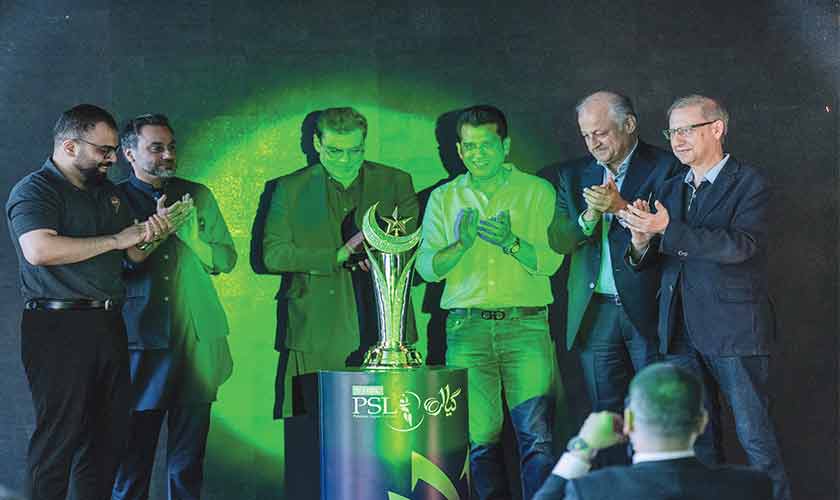
At the centre of this transformation stands the newly unveiled Infinity Trophy, a symbol that is as much about the future as it is about the past. Crafted meticulously by master artisans, the trophy reflects continuity, ambition, and the idea that the PSL story is far from complete. Its crescent and star motif, drawn from Pakistan’s national identity, gives it emotional resonance, while the eight embedded gemstones represent a league that has now grown beyond its original boundaries. But trophies, however beautiful, do not define leagues. Structure does. Vision does. Execution does.

For the first time in its history, PSL will feature eight teams instead of six, an expansion that signals confidence but also introduces complexity. The established franchises, Lahore Qalandars, Karachi Kings, Islamabad United, Peshawar Zalmi, Quetta Gladiators and Multan Sultans, are now joined by two new entrants: Hyderabad Kingsmen and Rawalpindiz.
This expansion is not merely numerical; it is philosophical. It reflects the Pakistan Cricket Board’s belief that the league has matured enough to sustain a larger ecosystem, more players, more matches, more stories. With 44 matches scheduled between March 26 and May 3, the tournament promises a dense, high-energy calendar. The opening clash, defending champions Lahore Qalandars against Hyderabad Kingsmen at Lahore’s Gaddafi Stadium, will set the tone for what could be a fiercely competitive season.
Equally significant is the geographical expansion of the league. PSL 11 will be played across six venues: Gaddafi Stadium (Lahore), National Bank Stadium (Karachi), Rawalpindi Cricket Stadium (Rawal-pindi), Multan Cricket Stadium (Multan), Imran Khan Stadium (Peshawar) and Iqbal Stadium (Faisalabad).

The inclusion of Peshawar and Faisalabad is more than a logistical decision, it is a cultural one. For years, fans in these cities have waited to witness PSL matches on home soil. Their inclusion expands the league’s emotional footprint, bringing the spectacle closer to communities that have long supported cricket from afar. This is how leagues grow, not just through broadcast deals, but through belonging.
Another notable shift this season lies in the ticketing strategy. With general tickets starting as low as PKR 250 in Lahore and Karachi, the PCB has made a conscious effort to keep the tournament accessible. In an era where global leagues often price out their most passionate supporters, this decision reflects an understanding of PSL’s core strength: its connection with the people.
From online sales to physical distribution through TCS centres, the system aims to balance convenience with reach. Dedicated family enclosures, particularly in Peshawar, further indicate an attempt to create a more inclusive stadium environment. Yet, accessibility must be matched with experience. Affordable tickets bring fans in; quality organisation keeps them coming back.
Every PSL season thrives on narratives, and PSL 11 will be no different. Traditional rivalries, Lahore vs Karachi, Islamabad vs Peshawar, will once again capture headlines. But the introduction of new teams brings fresh intrigue. How will Hyderabad Kingsmen establish their identity? Can Rawalpindiz disrupt the established order? New teams often carry unpredictability, and unpredictability is the lifeblood of T20 cricket.
It is easy to celebrate expansion. It is harder to sustain it. PSL’s first decade was about survival and establishment, bringing international cricket back to Pakistan, building credibility, and creating a brand. The second decade will be about consolidation and competition. The league now competes not just regionally, but globally, with other T20 tournaments vying for players, audiences, and commercial attention.
To stay relevant, PSL must continue to innovate: Stronger broadcast production, Enhanced fan engagement, Transparent governance and above all, consistent quality cricket.
The Infinity Trophy, with its elegant design and symbolic detailing, represents continuity without limits. But symbolism alone cannot sustain momentum. Its eight gemstones, each representing a franchise, serve as a reminder that the league’s strength lies in its diversity. Different cities, different cultures, one shared passion. In many ways, the trophy captures the essence of PSL: a blend of identity, ambition, and possibility.
As PSL 11 prepares to unfold, it carries both promise and pressure. The promise of expansion and the pressure of expectation. The opening match on March 26 will mark the beginning of a new chapter, but the real story will be written over the following weeks, through packed stadiums, emerging talents, and moments that define seasons. The final, scheduled for May 3 at Gaddafi Stadium, will crown a champion. But the true measure of success will lie elsewhere: in whether PSL 11 strengthens the league’s foundations for the years ahead.
The Pakistan Super League no longer needs to prove that it belongs. It has already done that. What it must now prove is that it can grow, sustainably, inclusively, and competitively. PSL 11 is not just another season. It is a transition, a test and a statement. And perhaps, just perhaps, the beginning of the most defining era in Pakistan cricket’s modern history.