Print Story
X




MMA is showing Pakistan how modern sport actually works
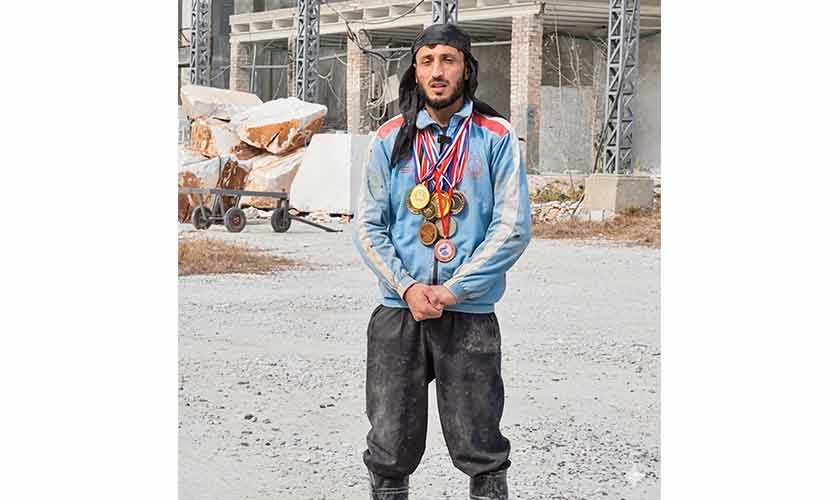
We have all seen the image. A martial artist decorated with medals speaking emotionally about working labour jobs to survive. Public sympathy flows. Outrage begins. But a harder question must be asked. What is the real value of those medals in the global sporting marketplace?
Sport is not charity. It is an industry. If medals do not translate into professional contracts, international rankings or financial pathways, then something in the system is fundamentally broken.
THE STATE OF PAKISTANI SPORT
Pakistan does not lack budget. It does not lack national games. It does not lack ceremonial activity. What it lacks is global conversion. Across multiple disciplines we rarely see athletes signed to recognised professional leagues, consistent qualification to world championships, or sustained medal performance at an elite level.
The sporting climate remains inward facing. Domestic recognition does not equal international relevance. Participation does not equal pathway. Without a professional ecosystem, medals become ornamental rather than transformational.
MARTIAL ARTS: OLYMPIC DREAM VS PROFESSIONAL
REALITY
The term martial arts is broad. It includes Olympic disciplines such as World Taekwondo, World Karate Federation, United World Wrestling, and the International Boxing Association. These sports carry Olympic prestige.
But for many athletes, once the Olympic dream ends, so does the financial pathway. The global professional ecosystems remain limited.
At the pinnacle today stands Mixed Martial Arts. In commercial terms, MMA has surpassed traditional boxing in viewership growth, digital engagement, and athlete earning potential.
It is no longer simply a sport. It is a global industry.
THE GLOBAL MMA ECOSYSTEM
At the amateur level, the International Mixed Martial Arts Federation hosts some of the largest championships in the world, often featuring over a thousand athletes from more than eighty countries.
This is not symbolic participation. It is a structured feeder system. Medal winning amateurs are scouted and signed by professional promotions such as BRAVE CF or ONE Championship. Athletes transition from national amateur champions to international professionals earning USD 25,000 to 30,000 per fight. That is a real marketplace. That is value creation.
WHERE PAKISTAN STANDS
Under the Pakistan Mixed Martial Arts Federation a rare thing has quietly been built in this country. A functioning pathway.
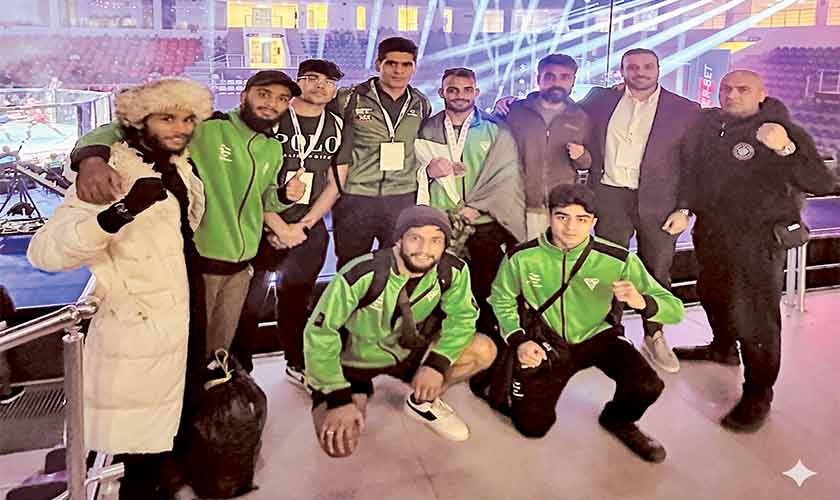
Without reliance on government handouts the federation has competed consistently at IMMAF World Championships, secured medals across multiple levels, hosted an Asian Championship and won twelve medals including two gold, produced female medalists at continental level and created a direct pipeline from Pakistan Open to the world stage. The Pakistan Open serves as the national championship and selection platform. Champions represent Pakistan at World and Asian Championships and the best athletes are then scouted by international professional promotions.
LEADERSHIP AND
VISION
This transformation has not happened by accident. It has been driven by a new generation of sports leadership focused on building systems rather than chasing symbolic victories.
Under the leadership of Omar Ahmed, President of Pakistan Mixed Martial Arts Federation and Director for South Asia at the International Mixed Martial Arts Federation, Pakistan has shifted its focus toward creating a professional combat sports economy. The approach has been simple but strategic: build a national competition structure, connect it directly to the international amateur circuit, and ensure that Pakistani athletes have visibility within the global professional MMA market. The result is a pathway where medals are no longer the final destination. They are the entry ticket to the global fight industry.
THE LESSON
The real question is not why medal winning athletes struggle financially. The real question is why the system producing those medals never connected them to a professional marketplace. Pakistan does not need more symbolic victories. It needs sporting ecosystems that convert talent into opportunity.
Mixed Martial Arts has begun to show that this model can work. If other sports wish to avoid the cycle of forgotten champions and emotional headlines, they may need to study it carefully.