Print Story
X




The recent surge in petrol prices has sent shockwaves across the city, forcing citizens to overhaul their lifestyles while experts warn of a looming hyper-inflation cycle ahead of the festive season
| F |
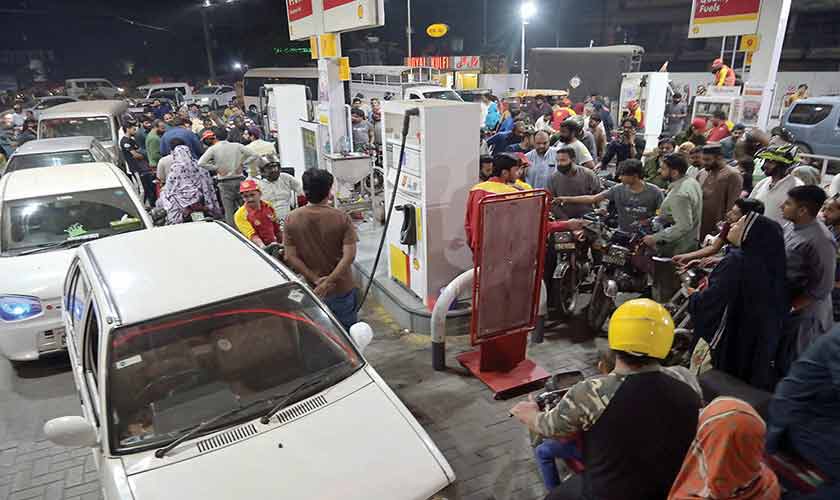
or Muhammad Salman, a Lahore-based journalist, the mathematics is simple and painful. A yearly trip to visit family in Shujaabad, Multan, around Eid now costs him an additional Rs 2,000 in fuel alone.
“A Rs 55 per litre spike was never heard of,” he remarks, noting that the ripple effect is already visible; the Pakistan Railways has already announced a 5 percent fare raise.
Salman fears that this is only the beginning. With Ramazan under way and Eid-ul Fitr approaching, he expects the cost of essential commodities to skyrocket. “The government could have managed this with a gradual adjustment instead of this sharp upward shock,” he says.
The squeeze is felt equally on the daily commute. Tehreem Amin, a public sector employee at Shaheen Complex, has abandoned ride-hailing apps due to their surging tariffs. “I’ve started carpooling with colleagues,” she says. “It’s no longer about convenience; it’s about survival.”
The crisis is hitting the supply side just as hard. At a Shell fuel station in Gulberg’s Mini Market, owner Umar Ali notes that daily sales have plummeted from 10,000 litres to 5,000 litres.
“The days of ‘free-fall cruise’ are over,” he says, referring to the people who once drove for leisure. “People don’t visit the station unless their tanks are near-empty. We will only see the full impact of this inflation in the first week of next month when salaries are typically spent on refueling.”
In response to public backlash, the government has initiated an “austerity drive,” mandating a four-day work week and online classes to curb national consumption. However, these measures have drawn mixed reviews.
Social activist Dr Farid A Malik argues that while energy conservation is vital, closing educational institutions puts the nation’s future at stake. He advocates for a return to a “bicycle culture,” recalling the good old days when the principal of Government College, Lahore, would cycle to work from the Mian Mir Cantonment.
“The tragedy is that our roads are no longer safe for cyclists or pedestrians,” Dr Malik notes. He points to the erosion of local industry, noting that Lahore once boasted thriving bicycle manufacturers like Sohrab and Eagle. Today, those factories have closed down. They have been replaced in the market by Chinese imports, leaving Sartaj Industries as the lone local survivor.
Economist Dr Qais Aslam seconds Dr Malik, adding that Lahore lacks proper infrastructure for pedestrians and cyclists. Footpaths are often encroached upon or damaged, making walking or cycling difficult. This forces more people to rely on motor vehicles, he argues.
Engr Arshad H Abbasi suggests that while IMF regulations limit the ability to reduce petroleum taxes, the lack of faith in monitoring systems has left the government with only one lever to pull: the price. Notably, fuel prices will now be updated weekly rather than fortnightly.
| T |
he crisis also highlights long-standing systemic issues. Engr Arshad H Abbasi criticises the Oil and Gas Regulatory Authority for failing to maintain strategic reserves. While a 2006 policy aimed for a 45-day fuel storage capacity, Abbasi claims that currently the reserve sits at a precarious 14 days.
“The government’s argument that price hikes prevent shortages is a hard sell,” he says.
Abbasi suggests that while IMF regulations limit the ability to reduce petroleum taxes, the lack of faith in monitoring systems has left the government with only one lever to pull: the price. Notably, fuel prices will now be updated weekly rather than fortnightly.
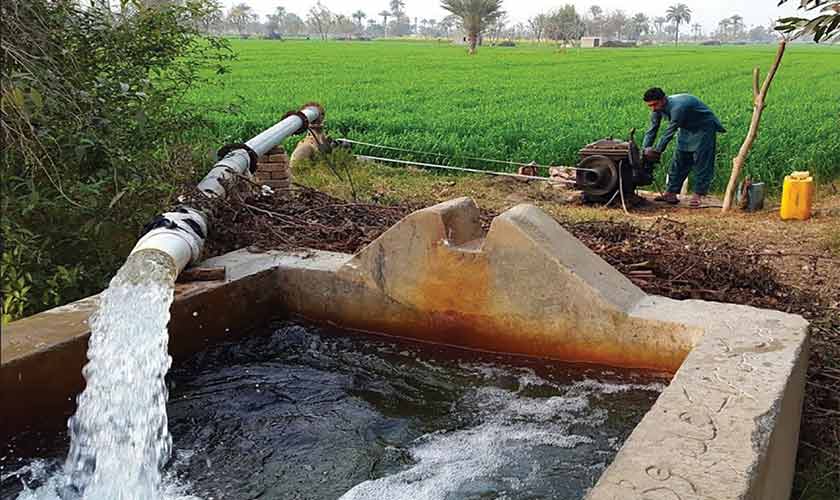
Perhaps the most serious warning comes from the agricultural sector. M Ejaz Shafi, leader of the PTI-Punjab Kissan Wing, describes the hike as a “major blow” to farmers who rely on diesel oil for tractors, tubewells and harvesters.
“This will swell the cost of food production,” he warns.
Shafi calls for a Green Diesel Rebate or a solar energy fund to protect farmers, alongside an increase in the wheat support price to Rs 5,500 per maund to offset the rising costs of production.
Dr Aslam believes that austerity is necessary but questions the government’s consistency. “Governments cannot claim to be cutting costs while continuing with expensive purchases,” he says.
As transport costs rise, Dr Aslam warns that the prices of vegetables and perishables coming from rural areas will be the next to spike, further squeezing a population already at the end of its tether.
Ahsan Raza is the editor of Minute Mirror. He can be reached at [email protected]