Print Story
X


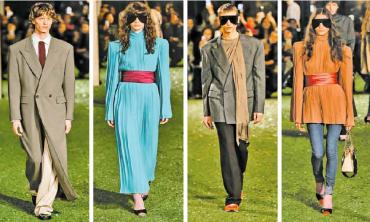
If the opening day of LAAM Fashion Week set the tone, the following days gave the event its personality. Days 2, 3 and 4 unfolded less like a rigid schedule and more like a space where commerce, craft and creative intent found a common ground, revealing both the strengths and growing pains of a fashion ecosystem finding new ways to present itself.
Day 2 was about contrast and confidence. The afternoon high-street edit offered familiarity and ease, with Agha Noor, Panache Apparel and Urge Pret leaning into colour, comfort and restraint. These were collections designed to move quickly from runway to wardrobe, aligning neatly with LFW’s retail-first promise.
As the day progressed, the retail runway introduced a more elevated sensibility. Bin Tayyab and Pehnawa by Bin Akram drew from history and heritage, translating traditional silhouettes into contemporary occasion wear, while Allure by Izna Hamza stood apart for its global perspective, weaving cross-cultural references into a collection that felt outward-looking and assured.
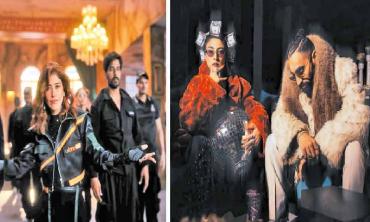
The evening designer segment shifted gears entirely. Karma brought drama and unapologetic maximalism, while Deepak & Fahad offered a calmer, craft-driven counterpoint rooted in handwoven textiles. Sadaf Fawad Khan moved fluidly between classic couture and theatrical exp-ression, before Fahad Hussayn closed the night with a conceptual showcase that treated fashion as philosophy, urging the audience to see clothing as statement rather than trend.
Day 3 felt quieter and more intro-spective. The high-street presentations by KIBO, Golmohar and Kiara focused on identity, transition and form, favouring restraint over embellishment. It was a reminder that commercial fashion does not always need noise to leave an impression.
That sensibility carried into the retail runway, where MISL and Meeral prioritised mood and movement, while KB by Zulfiqar Malik grounded its collection in regional identity drawn from the Cholistan desert. The emphasis shifted away from visual excess towards storytelling through cut and colour.
In the designer segment, longevity took centre stage. Kamiar Rokni’s return to the runway was measured and deliberate, with bridal wear designed for permanence rather than momentary impact. SUMMAT explored lightness through controlled draping, while Mo by Mohsin Tawasuli approached heritage as something to interpret, not replicate. Saira Shakira’s bohemian finale reintroduced fluidity and romance, ending the day on an expressive note.
Day 4 brought scale and familiarity back into focus. The high-street edit reflected the diversity of Pakistan’s retail landscape, from Amna Ilyas’s identity-driven debut to Bulbul’s craft-forward bohemianism. The retail runway that followed reinforced LAAM’s commercial core, with Rang-e-Haya, Mushq and Haseens addressing modest wear, formals and bridal categories with a sense of purpose.
The final designer showcases leaned into recognisable voices. Nomi Ansari delivered colour and transformation with his signature theatrical flair, Zainab Chottani offered couture based on restraint and romance and Souchaj by Mehak Junaid centred handcraft and heirloom value.
HSY’s closing collection tied the week together, framing fashion as a journey shaped by memory and cultural continuity.
Across Days 2 to 4, LAAM Fashion Week positioned itself less as a traditional fashion week and more as a reflection of an industry in transition.
It revealed a fashion economy balancing speed with substance and commerce with creativity, with the desire to evolve, imperfect at times but increasingly confident in telling its own story.
– Photo Courtesy: Waqar Ahmed Butt and his team at Paragon Studio