Print Story
X

| F |
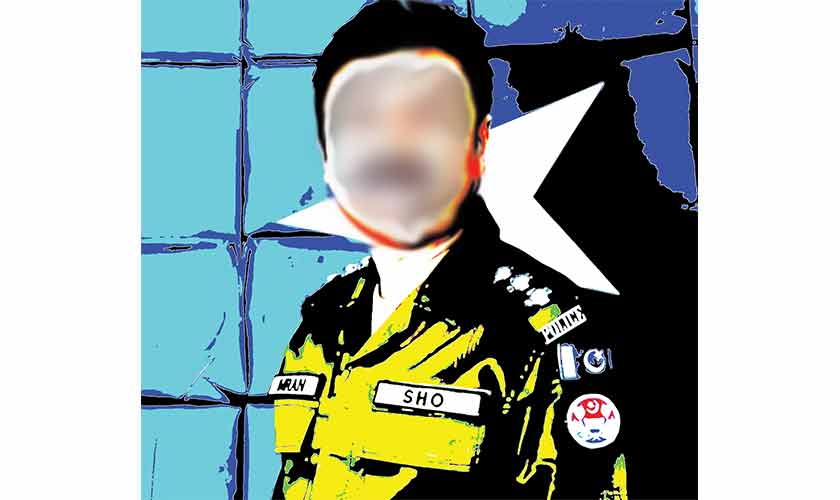
or residents of Lahore, the appointment of a station house officer is rarely a routine administrative task. Frequently, it is a contentious issue. Despite being the primary stakeholders and direct victims of the infamous thana culture, the general public is largely excluded from the process, relegated to the role of silent observers in a system that governs their safety.
Years of official inquiries have painted a grim picture of SHOs’ appointments across the Punjab. Allegations of “selling” police stations to “the highest bidder” have long haunted the department. In Lahore, some reports suggest that bribes for coveted postings have ranged from Rs 500,000 to a staggering Rs 15 million, depending on the “commercial value” and jurisdiction of the station.
Historically, these postings have been treated as political currency rather than rewards for professional merit. Officers with checkered reputations or pending inquiries are frequently recycled into key positions, a practice that continues to erode public confidence in the rule of law.
While the current Lahore police hierarchy claims to have transitioned to a merit-based system for its 106 police stations (up from 84), the reality on the ground suggests otherwise. The ‘final nod’ for postings and transfers is still widely believed to be accorded by the CM’s Secretariat. Public opinion or consent is not a direct factor in the selection process. This persistent requirement for high-level political clearance indicates that, despite administrative rhetoric, the strings are still pulled by the provincial executive.
While police high-ups insist that internal controls and accountability measures are now in place, the process remains an internal administrative affair. Without formal public consensus or transparency, the question remains: how can the police expect to win back public trust?
Speaking to TNS, DIG Kamran Adil explains the legal constraints. “While the Police Order 2002 seeks to make the police accountable to the public through oversight bodies, the appointment of an SHO remains an internal matter for professional police leadership,” he says.
Historically, these postings have been treated as political currency rather than rewards for professional merit. Officers with checkered reputations or pending inquiries are frequently recycled into key positions, a practice that continues to erode public confidence in the rule of law.
Adil notes that under the Order, the authority rests solely with the district police head (DPO or CCPO). While the law emphasises being responsive to the “democratic aspirations of the people,” it does not mandate direct public consent for selection.
Asad Butt, a Lahore High Court lawyer, points to the “irony” of the current system. He argues that the Police Order 2002 explicitly intended for Public Safety and Police Complaints Commissions to act as a bridge between the force and the citizenry.
“Unscrupulous forces within the department have systematically resisted civilian oversight,” he claims, noting that these commissions — intended to provide a check on political influence — remain largely non-functional or unformed.
The consequences of failing oversight are visible in the courts. In late 2024, the Punjab Anti-Corruption Establishment arrested a former SHO of Sabzazar and Mustafa Town for allegedly extorting Rs 475,000 and two licensed firearms from a businessman. This echoes a 2016 crackdown where three SHOs from Johar Town, Muslim Town and Baghbanpura were dismissed for corruption.
| T |
The issue is further complicated by the current political climate. Muhammad Madni, a leader of the Pakistan Tehreek-i-Insaf, alleges that the incumbent PML-N government has been using police appointments as a tool for its political survival.
“A police station is a key component in a system based on the use of force against political rivals,” he says. “How can you expect a fair policy when the force is being used to suppress political opponents?”
Despite repeated attempts by TNS to reach them for their comments, DIG Operations Faisal Kamran and the Lahore Police spokesperson remained unavailable.
Ahsan Zia is a print and broadcast journalist