Print Story
X




The year ended with the economy more stable and resistant to shocks than before
| A |
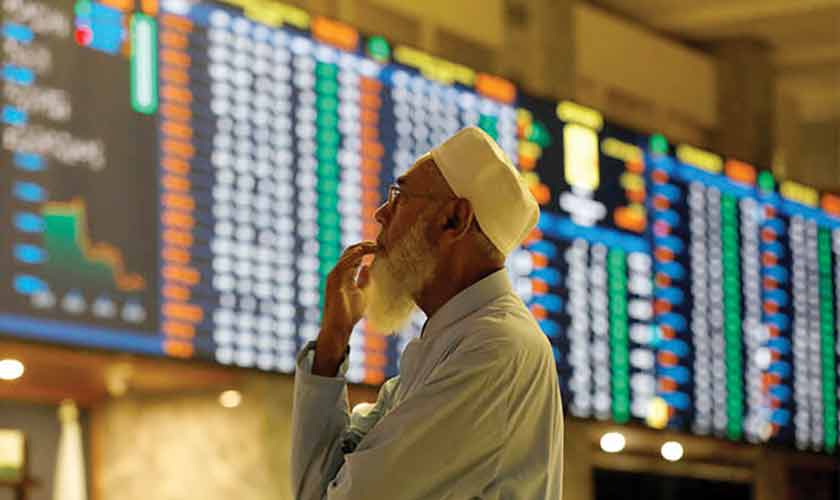
s 2025 draws to a close, Pakistan’s economic story resists easy characterisation. The year unfolded under the shadow of recent crises, fresh climate shocks and persistent structural weaknesses. Yet, it also featured moments of stabilisation and restraint that would have seemed unlikely not long ago. Before passing judgment on where the economy stands today, it is worth examining what the past twelve months actually delivered and what they reveal about the country’s economic direction.
In economies such as Pakistan’s, surface indicators rarely tell the whole story. A single growth number can conceal pressures beneath, while a calmer headline may coexist with strain at the household level. A more useful assessment looks at whether inflation has eased; whether the external account has stabilised; whether the state has regained any fiscal room; and whether ordinary citizens feel even some modest improvement in daily economic conditions. Viewed through this wider lens, 2025 presents a mixed and instructive picture.
Inflation was the clearest improvement.
After prolonged price instability, inflation fell sharply during the year and moved into the low single digits by the final quarter of the calendar year. This brought visible relief to households whose real incomes had been eroded for several years. For firms, lower inflation restored a degree of predictability in costs and pricing. The State Bank of Pakistan’s cautious move towards monetary easing reflected confidence that inflation expectations had stabilised.
Yet, the relief remains partial.
Wage growth has lagged behind earlier price increases and household budgets continue to feel pressure from utilities, transport and housing costs. Tamed inflation has reduced stress, but it has not reversed earlier losses.
Growth returned without acceleration. Output expanded at around three percent, broadly in line with projections by international institutions. This was sufficient to signal recovery, but insufficient to absorb labour market pressures or generate fiscal space. Pakistan’s growth challenge remains structural (low-middle income trap). Without higher productivity and export expansion, modest growth risks becoming the ceiling rather than the floor.
The year’s most significant stress test came from climate shocks. The 2025 monsoon floods damaged infrastructure, disrupted agriculture and affected millions, particularly in vulnerable regions. Past experience would have suggested a sharp spike in inflation and a visible slowdown in growth. Fortunately, that did not happen. Inflation remained contained and growth held up. Strong remittance inflows, improved buffers, tighter macroeconomic management and modest international oil prices helped absorb the shock. While this does not diminish the human and economic cost of the floods, it does suggest that Pakistan’s economy has developed some capacity to absorb shocks that would previously have triggered a broader crisis. In a climate-vulnerable country, coping with floods on the scale of 2025—that too without seeking any external assistance or support—is an important achievement that deserves special mention.
External accounts also improved.
Pakistan recorded a current account surplus earlier in the year, supported by resilient remittances and growing services exports, including information technology. Foreign exchange reserves rebuilt to more comfortable levels by late 2025, easing immediate balance of payments pressure. This reduced the sense of constant emergency that had often shaped policy decisions. The constraint has not disappeared. External financing needs remain large and export growth remains narrow. The difference is that pressure has eased, not that dependence has ended.
Fiscal policy remained constrained.
Engagement with the International Monetary Fund provided financing and discipline. However, some familiar challenges persist. Tax effort remains weak; debt servicing absorbs a large share of revenues and development spending is compressed. The IMF programme has given Pakistan temporary relief. It cannot alter the fundamental structure of public finances until the government demonstrates political commitment and adopts a practical plan to do so. It is important to remember that stabilisation cannot be sustained without enhanced revenue mobilisation and improved spending quality.
In 2025, investor confidence improved slightly but cautiously.
Multilateral financing resumed, reserves stabilised, Pakistan’s credit rating improved and market sentiment became less fragile. Private investment, however, remained subdued. Businesses continue to factor in political uncertainty, policy reversals and unresolved constraints in energy and logistics. Confidence in Pakistan has improved. It remains to be seen whether it can be maintained beyond a single stabilisation cycle.
The sharpest contrast in Pakistan’s 2025 story emerges when macro indicators are set against social outcomes. The United Nations Development Programme’s Human Development Report places Pakistan near the bottom of global rankings, with no meaningful improvement. Education, health and income indicators continue to lag behind comparable economies. This gap matters. Economic stabilisation that does not translate into human development gains is unlikely to generate durable political support or long term growth.
That disconnect defines Pakistan’s agenda for 2026. Stability is a necessary condition for progress, but it is not sufficient. Countries that fail to invest in people struggle to raise productivity, diversify exports or adapt to climate and technological change. Moving forward, the government of Pakistan should make proactive efforts to invest in people to ensure that the masses feel the gains of macroeconomic stability.
The economy ends the year more stable and more resistant to shocks than before. That is an achievement worth acknowledging. A harder task lies ahead. Turning stability into sustained growth will require smarter fiscal consolidation, deeper energy sector reform and serious investment in human capital. Without these, calm will remain temporary and every shock will test the system anew.
Pakistan has shown in 2025 that it can step back from the brink. One hopes that in 2026 it can move forward, not just in macro numbers but also in the lived experience of its people.
The writer heads the Sustainable Development Policy Institute and is a member of the advisory council of the Asian Development Bank Institute. The views expressed are personal. LinkedIn: Abid Suleri.