Print Story
X




Any concept of universal health coverage that neglects psychological well-being is partial and unjust
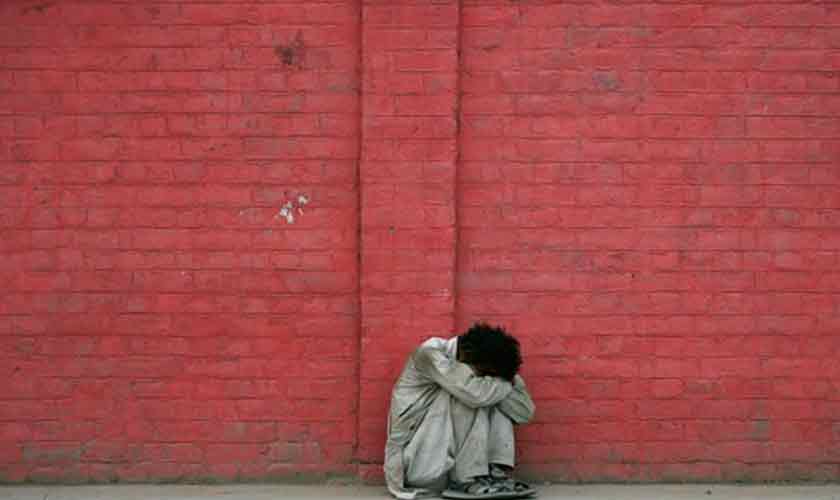
Recent political events in Pakistan reaffirm the relevance of mental health in our society. However, the parties have often used the term “mental health” or a lack of it with negative connotations and bad intentions, without any qualification or sensitivity. Professionals working in the field have long felt resentful about this misuse and have protested against labelling someone as having mental health difficulties, especially in public discourse. This is particularly problematic when such labelling is aimed at disqualifying someone from a position, driven by known animosity.
Mental health is more of a construct than merely a label. It encompasses the overall functioning of a human being rather than something that always requires clinical remedies. It goes beyond treatment—whether pharmaceutical or non-pharmaceutical. Even the strictest medical texts now acknowledge socio-political conditions as etiological factors in mental health. That is why universal health coverage that truly integrates mental health is not just a distant aspiration but a global obligation in this era of wars, widening inequality, accelerating climate breakdown and deep political polarisation.
Mental health is now firmly recognised by the World Health Organisation as an essential component of health, so any concept of UHC that neglects psychological well-being is, by definition, partial and unjust. For countries like Pakistan that have grappled with long-duration economic crises, political turmoil and persistent patterns of extremist, sectarian and state-linked violence, mental health should not remain an abstract policy debate, it is an issue embedded in the daily reality of millions.
The WHO defines health as a state of complete physical, mental and social well-being, not merely the absence of disease. This perspective places mental health at the heart of UHC rather than its periphery. Yet, in many low-income countries, including ours, nine out of ten people with common mental disorders receive no formal care, exposing a massive treatment gap that is both a public health disaster and a moral failure. Some general practitioners include an anti-anxiety or antidepressant medication in nearly every other prescription. These medicines are available over the counter, and many people take them as sleeping aids.
Pakistan presents a particularly challenging scenario. Its predominantly young population lives under relentless social, economic, political, ideological and security pressures, yet investment in accessible, high-quality mental health services remains minimal, mainly concentrated in a few urban centres and largely out of reach of rural and poor people. While such disparities exist even in developed countries, the more important task is to examine the causes behind the rise in mental health issues—a matter often ignored by those in power, who show little or no intent to address it.
In many low-income countries, including ours, nine out of ten people with common mental disorders receive no formal care, exposing a massive treatment gap that is both a public health disaster and a moral failure.
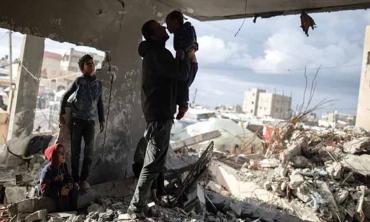
Today’s global landscape is shaped by overlapping emergencies: enduring wars, growing refugee populations, crackdowns on dissent, expanding use of both state and non-state violence and restrictions on free speech. These crises cause mass casualties, displace millions and destroy homes and infrastructure, resulting in chronic insecurity and driving high levels of trauma, depression, anxiety, personality disorders and substance misuse. At the same time, people across the world, including in Pakistan, witness these events in real time through television and digital media. This creates a diffuse but tangible psychological burden, especially among young people who feel emotionally connected to global injustice but powerless to change it.
Climate change, often treated as an academic debate elsewhere, is an existential reality in Pakistan. It has begun to cause loss of lives, livelihoods and a pervasive sense of fear and uncertainty due to catastrophic floods and extreme weather. The historic floods that submerged vast rural areas and destroyed homes, crops and infrastructure exposed how climate disasters intersect with longstanding social inequalities and fragile institutions, making mental health inseparable from issues of justice and accountability. When loss of lives fails to move those at the helm, how can the mental well-being of ordinary citizens be expected to attract their attention?
These deficits weigh the heaviest on those already marginalised, who become vulnerable to delinquency ranging from petty crimes to rape and murder. The rising number of criminals from deprived backgrounds committing such acts is evidence that the WHO was right in recognising mental health as a fundamental human rights issue. Placing mental health at the centre of UHC carries implications that extend well beyond clinics and hospitals. It compels societies to confront the economic, political and cultural conditions that create illness in the first place. Economic inequality, precarious employment, corruption, discrimination, gender-based violence and authoritarian tendencies all intensify exposure to stress and trauma, while simultaneously restricting access to care, legal protection and redress.
Controversial elections, repression of dissent, terrorism, sectarian violence and everyday criminality, combined with ongoing economic hardship, have created a climate of chronic anxiety and helplessness in Pakistan, particularly for women, religious and ethnic minorities and those living in poverty. People who live under prolonged subjugation, tyranny and helplessness develop transgenerational personality changes. Over time, they begin to feel, think and behave differently. Some sink into helplessness and inaction while others act in disregard of laws or moral boundaries.
Our persistent and unfortunate neglect of people’s mental well-being is pushing us dangerously close to that threshold.
The writer is a clinical psychologist. His book Iste’mar ki Nafsiat was published in 2024. He can be reached at [email protected].