Print Story
X




A call for entitlements to empower every child across Pakistan
| W |
hen both girls and boys from the coastal communities are seen playing football and practicing for the selection of the under-16 provincial teams on the beach of Mubarak village by the ocean with laughter, engagement and abandon, one is filled with optimism and hope. When Amna powerfully fills her daily diary about her aspirations to become a scientist and work for climate change with mission and purpose, there is every reason to believe that she will achieve her milestones to make lives better for many generations. When my young 8-year-old friend from the Karakorum writes three illustrated books a day to sell them successfully for a school fundraiser with humour and confidence; and when girls from a low-cost trust school in Kasur showcase science models with animated explanations at a science festival, we are reassured that these confident children are moving towards a bright future for themselves and for the society.
We want all children in Pakistan to be empowered to lead meaningful lives. The optimist in me knows that one day this will happen. This will happen when we reposition our children from the bottom of the pyramid to a higher ordered social status to sustain societies intergenerationally.
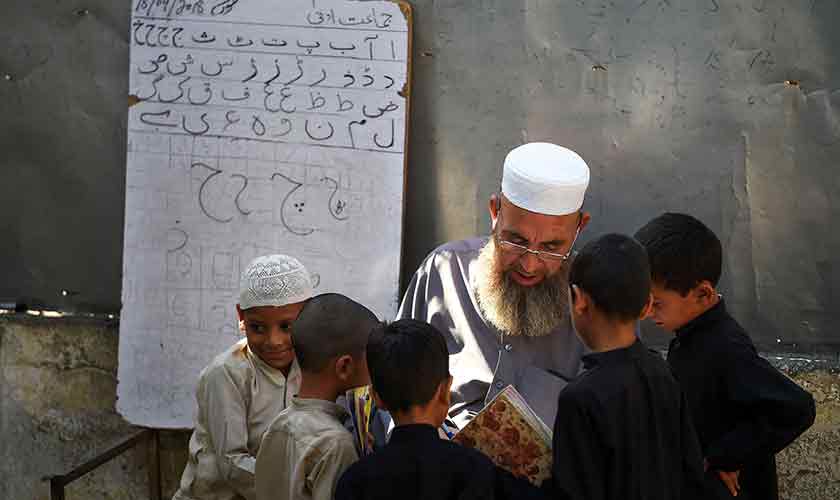
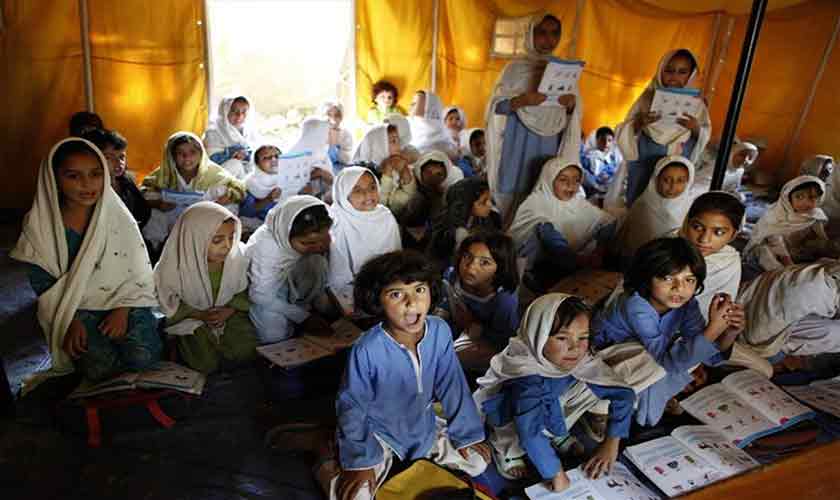
Alongside these fortunate children are tragic realities of many children without birth registration (55 percent), with nutritional challenges (40 percent stunting) and unmet needs of education and learning, play and protection. The anatomy of what explicitly constitutes child rights was most powerfully presented to the world in the Convention on the Rights of the Child with 42 substantive articles covering every entitlement that a child must have to survive and thrive. Pakistan became a signatory to the CRC in 1990 and has progressively engaged with understanding, debating and reporting on each article through a public and civil society partnership approach.
Since 1991, I have witnessed a deep un-layering of what the CRC advocates, and its measures and gaps through a multidimensional framework. The bold child rights communities in Pakistan must be celebrated with access to public offices, the judiciary and parliamentarians.
In 2025, The State of Children in Pakistan report was launched by the National Commission on the Rights of the Child. The NCRC is an apex autonomous anchor and a statutory body established in 2017 by an Act of the parliament to independently monitor, report, advise and advocate actively on child rights, with children represented on the commission. With over 100 million children in Pakistan under the age of 18, they are a force to be reckoned with, making child rights essential obligations for families, society and policymakers alike.
The NCRC has launched a dedicated Child Nexus Portal to provide information on child rights and its indicators in Pakistan as a repository of all credible resources for monitoring, knowledge and awareness of child rights in Pakistan. The NCRC has become bold with strong leadership, taking public ownership of child rights as an independent body with representation of children on its council committed to evidence, advocacy and urgency of action through partnerships.
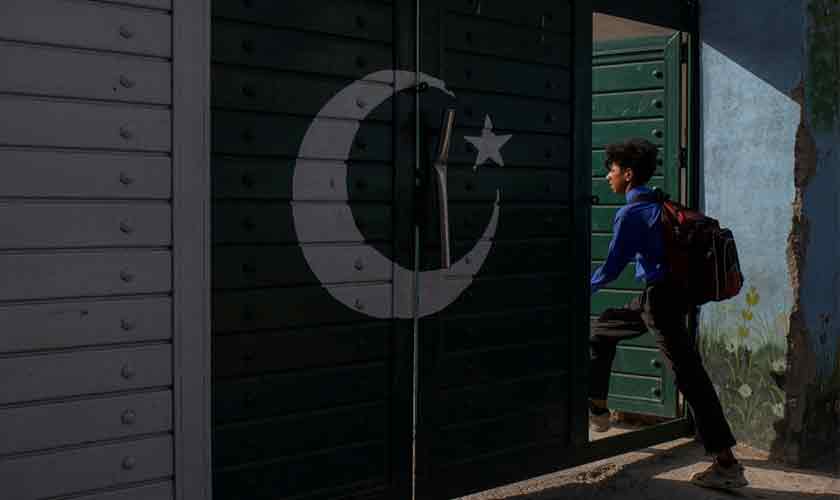
This year’s theme—empowering children for a brighter future—underscores the importance of ensuring that every child has the opportunity to grow and develop in a safe, nurturing environment. Government initiatives, NGOs and community organisations are working together to improve access to education, healthcare and child protection services.
Pakistan faces a multi-dimensional challenge of ensuring children’s wellbeing with widespread educational exclusion, growing poverty, inequality and weak local governance. A child is born with multiple needs requiring services locally to survive, be nurtured, strengthened and thrive. Sadly, essential services remain unevenly delivered. Millions of children remain out of school in Pakistan (22-26 million—the largest number in the world). Many more are in school but do not learn basics, increasing the learning poverty. We have sound policies, laws, social protection instruments, global commitments and advocacy campaigns but implementation remains slow, poorly budgeted (2-3 percent of the GDP for human development) with fractured disbursements.
The average Pakistani child is not supported effectively and in a timely manner at the local level. She/ he does not have access to subsidiarity or local level decisions closest to where the child resides but through longest routes taking months or years from provincial seats of decision making to implementation at the household/ village/ block level. God forbid if the children belong to displaced or migrant groups in emergencies, rebuilding their existence from scratch may take years. Families muster resilience for daily survival collecting proof of identity, domicile, coping with hunger, poverty, shelter, makeshift play, education and protection services.
Devolved, data-informed local governance capable of turning rights into results is missing. Lack of governance at local level adversely impacts the beautifully articulated 42 rights encompassed in the CRC—some aligned to our laws across health, nutrition, care practices, education, protection—further distancing those who decide, budget and those who are accountable.
One in four people in the country live in poverty (25 percent). This does not augur well for our children. Absence of impactful local governments with fiscal muscle, effective administration and timely monitoring of data for actions is hurting the prospects of our children.
So, who is looking at their rights and entitlements?
The time for single-sector focus for our children is over—children do not thrive in silos but through multi-sectoral support with citizens’ action. The strength of constitutional fundamental rights, SDGs or the CRC lies in clustered approaches within effective local government for integrated implementation to achieve a child’s wellbeing. Local child protection and health units, schools and skill centres can only work well when allowed to function coherently for children’s wellbeing multi-sectorally. There will surely be a day when child status reports will be compiled at the district level, holding local governments to account.
As an activist and optimist undaunted by challenges, scary figures and out of control population, I shall keep looking for our children across Pakistan scaling the peaks of Himalayas, Hindu Kush and Karakorum; running campaigns for climate action, foundational learning and digital literacy; winning prizes in literature, science, music and arts; and debating for their entitlements until the last one can say: my day, my rights.
The writer is the CEO of Idara-i-Taleem-o-Aagahi, a Pakistan Learning Festival founder, and a Learning Generation Initiative global champion. She can be reached at [email protected].