Print Story
X




Dissecting challenges and opportunities in child health and development in Pakistan
| L |
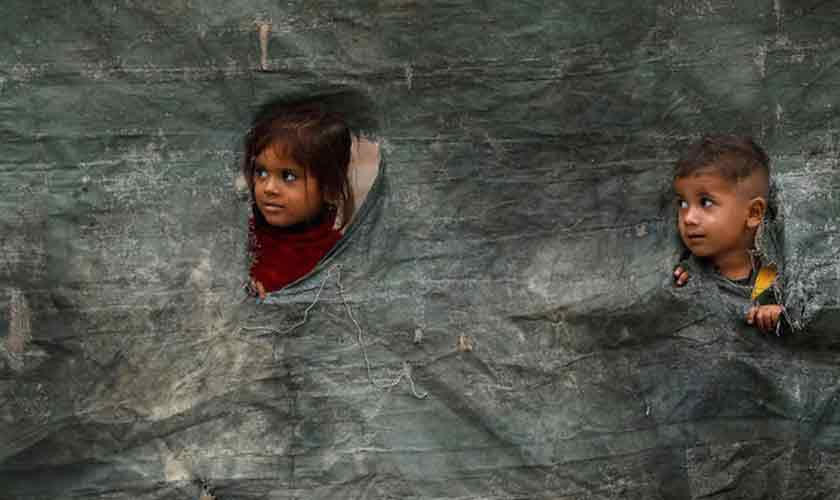
ast Saturday, at a student-led conclave of academics and professionals of Pakistani descent, the moderator posed the following question: “What are the non-negotiables in a durable health system for women and children?” All the panelists (myself included) provided answers from their perspectives on community ownership, state responsibilities and pro-poor policies. I have continued reflecting on the question since. The fact is that the one non-negotiable in any democracy (and by default, its health system) is the pact that the state makes with its citizens to look after their wellbeing, safety and security and provide equitable access to services such as education and health. It is here that the rights of the most vulnerable among us—our children—become paramount.
On this World Children’s Day, one has to reflect on both the achievements and shortcomings of this pact. Pakistan is a signatory to the United Nations Convention on the Rights of the Child, which commits us to safeguard every child’s right to healthcare, nutrition, clean water, safe environments and protection from harmful practices. Yet, progress has been mixed.
Our population has more than doubled since 1990 (from around 119 million to over 240 million). Despite some reduction in fertility rates, the number of annual births has increased by almost 1 million to an estimated 5.5 to 6 million births annually. And despite a 30-40 percent reduction in child mortality rates, we still rank very poorly among comparable developing countries in South and Southeast Asia. Almost 40 percent of all under five-year-olds in Pakistan are stunted (much shorter than their growth potential). In some regions, over a fifth of the households face food insecurity.

The root cause of much of this inertia in child health and development in Pakistan lies in our collective failure to address the social determinants of health. Article 24 of the UNCRC covers a broad spectrum of health rights, including preventive healthcare, nutritious foods, clean drinking water and environmental sanitation. The same are enshrined in our constitution where Article 38(d) obligates the state to provide necessities of life—including food, clothing, housing and medical care—for citizens who cannot earn a livelihood (read children). Yet, safe water access remains a dream for many including those living in its largest city; sanitation services in rural areas are patchy; and almost a third of all children (more girls than boys) are out of school. Many of these children are then forced into the informal labour market early and an estimated 18-29 percent of girls are married off under 18 years of age, stifling any future opportunities for education and personal development.
It isn’t that governments haven’t tried to address the issue of maternal and child health through pro-poor programmes such as the Lady Health Workers Programme, the Benazir Income Support Programme and the health insurance programmes, but our net investment in health and education (key pillars for human development) has been far lower than other countries in the region.
All blame, however, should not just be placed at the doorstep of the government.
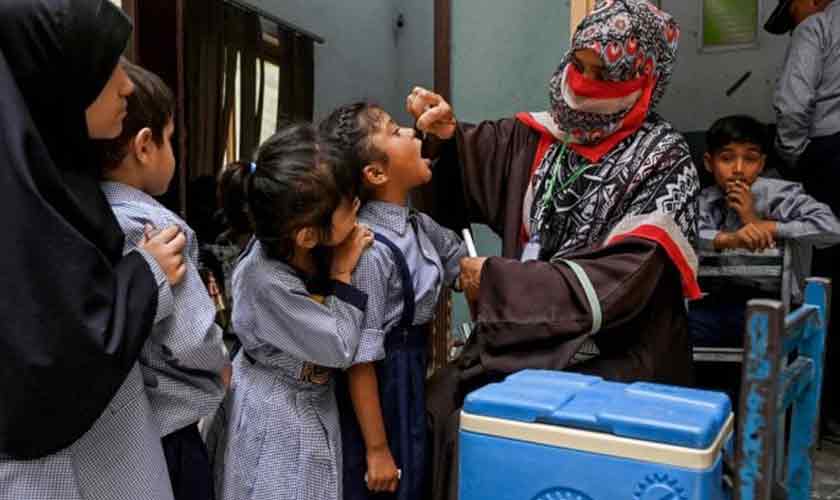
As a nation, we haven’t built an ecosystem where child health and development are valued as a fundamental investment in nation building. Despite one of the largest publicly financed vaccination programmes in the world with free vaccines, a shocking proportion of parents refuse these life-saving interventions. One only has to look around the garbage dumps in some of the most affluent housing societies of Karachi to underscore how civic society has failed to take charge of its own health and wellbeing.
Why has so little changed?
Some governments in Pakistan have apparently treated health, nutrition and social sector budgets in Pakistan as charity and a net expense, often leaving these at the mercy of donors and lenders. Others have waited for the trickle-down benefits of economic development (a highly uncertain scenario) to reach the poor. These measures to improve child health, nutrition, living conditions and education are fundamental human rights and a net investment, not a cost. As I have often stated, no country in the world has ever climbed the development ladder with a malnourished and sick population, especially of its children. That is one of the fundamental reasons why child health and survival parameters are widely regarded as barometers of gauging a country’s investment in human development.
Pakistan ranks 168 (out of 193 countries) on the human development index. There is every reason to believe that we will only climb up this development ladder by investing in fundamentals from an early stage in life. It is no coincidence that the human development index—a measure coined by one of Pakistan’s most distinguished development economists, the late Dr Mahbubul Haq—was also launched in 1990, the same year as the United Nations adoption of child rights. Dare one ask for a constitutional amendment to make tenures of policymakers contingent upon what they have done for the future of Pakistan’s children?
The writer is the founding director of the Institute for Global Health and Development, the Aga Khan University South-Central Asia, East Africa and United Kingdom. He can be reached at [email protected].