Print Story
X




A brief guide for children to understand the rights guaranteed to them under Pakistan’s constitution
| C |
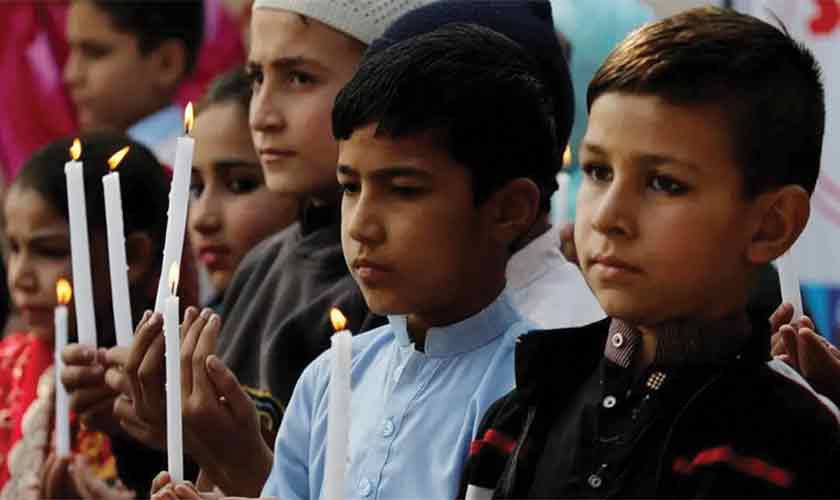
hildren’s Day acknowledges that children are important now, not just in the future. Pakistan has legislation stating just that. These regulations protect you from unjust treatment because you are a child. Your rights are guaranteed by Pakistan’s constitution, parliamentary statutes and provincial laws. Pakistan ratified the United Nations Convention on the Rights of the Child on November 12, 1990. The CRC 1989 provided a complete and enforceable framework dedicated specifically to protecting and promoting child rights, worldwide. As of 2024, 196 countries are parties to the CRC. United States is the most significant exception in the developed world.
The constitution provides substantial protections. Article 9 guarantees your life and freedom. Slavery and child labour are prohibited under Article 11. Article 25 guarantees equality for all, including children. The state must provide free and compulsory education to all 5-16-year-olds under Article 25-A. You should go to school, and no one can stop you.
Certain other laws protect you in important ways.
The Juvenile Justice System Act, 2018, treats children differently from adults if they break the law. Death and life sentences are not allowed for children. A separate (juvenile) court must hear your case and provide legal assistance. The law aims to benefit children, not punish them.
The National Commission on the Rights of the Child Act, 2017, created a commission to monitor how the government treats children. The commission investigates complaints, suggests changes to the law and helps protect children across Pakistan.
In 2020, the Zainab Alert, Response and Recovery Act was passed after a tragic case of child abduction and murder. This law created a system called ZARRA that is meant to help police act quickly when a child goes missing. It ensures that missing children are reported quickly, alerts are issued and efforts made to find and protect them.
In Islamabad, the ICT Child Protection Act, 2018, protects children who are at risk, neglected, abandoned or abused. It sets up child protection centres and services so that children are given shelter, support and safety when needed.
There are laws to protect you from being forced to work.
Article 11(3) of the constitution states that no child below the age of fourteen years shall be engaged in any factory or mine or any other hazardous employment. The Employment of Children Act, 1991, says children cannot be made to work in dangerous places like factories or mines. It defines a child as a person who has not completed their fourteenth year. In the Punjab, there are several laws to stop child labour. These include the Punjab Prohibition of Child Labour at Brick Kilns Act, 2016; the Punjab Restrictions on Employment of Children Act, 2016; and the Punjab Domestic Workers Act, 2019. These laws stop employers from hiring children for unsafe or unfair jobs, whether in homes or businesses.
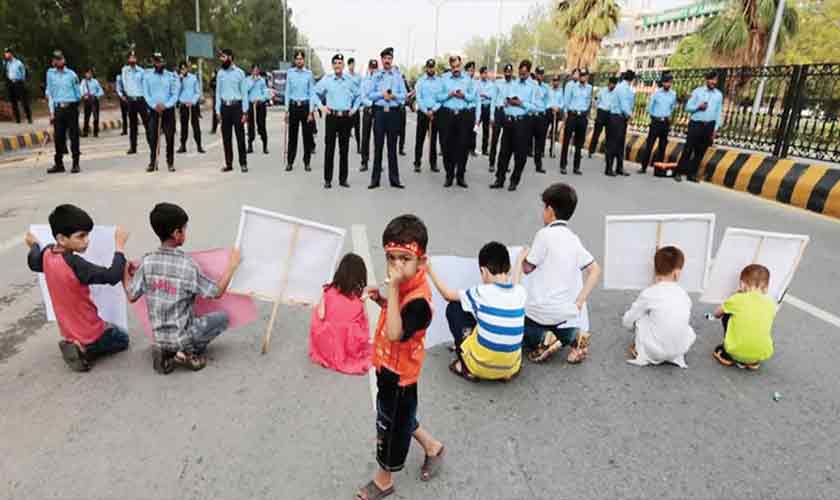
The National Commission on the Rights of the Child Act, 2017, created a commission to monitor how the government treats children. The commission investigates complaints, suggests changes to the law and helps protect children across Pakistan.
Sindh also has strong child protection laws. The Sindh Prohibition of Employment of Children Act, 2017, bans harmful work while the Sindh Child Protection Authority Act, 2011, sets up systems to support children who are being abused or neglected. In Khyber Pakhtunkhwa, the Child Protection and Welfare Act, 2010, offers something similar. It creates services to help children in need of care, support or protection. Balochistan has passed its own Child Protection Act, which also helps children facing danger or abandonment.
Another serious issue that the law addresses is child marriage.
For many years, the Child Marriage Restraint Act, 1929, set the minimum age of marriage. It allowed girls to be married at 16. That has changed in some jurisdictions. Sindh passed the Sindh Child Marriages Restraint Act, 2013, which makes it illegal to marry a child under 18. The Punjab has raised the marriage age, too. Most recently, Balochistan passed the Child Marriage Prohibition Act, 2025, which is now the strictest in the country, banning all marriages under 18 and providing for punishments for those involved in arranging, performing or helping in a child marriage.
There are also laws that protect children from physical violence.
In Sindh, the Prohibition of Corporal Punishment Act, 2017, bans teachers, parents or anyone else from using violence against children in schools, homes or workplaces. You have the right to be treated with dignity and never harmed under the excuse of discipline.
Other laws help children in more specific ways.
The Protection of Breastfeeding and Child Nutrition Ordinance, 2002, protects babies by making sure they are fed properly and not misled by harmful advertising of baby food. The Guardians and Wards Act, 1890, ensures that if a child cannot live with their parents, the court can appoint someone to care for them and protect their wellbeing. The Probation of Offenders Ordinance, 1960, allows the courts to help young offenders through counselling or supervision instead of jail.
There are also laws to support your education.
In the Punjab, the Free and Compulsory Education Act, 2014, requires that every child be given a free education by the government. If your parents cannot afford school fees, the law says you still have the right to learn. No child should be forced to give up school because of money or because they are being made to work.
Laws matter.
The Punjab Juvenile Smoking Ordinance, 1959, disallows the sale of tobacco to children. This law protects your right to a healthy childhood. The Sindh Children Act, 1955, provides systems for the protection of children and for special juvenile courts. You also have rights because Pakistan has signed international treaties, like the UN Convention on the Rights of the Child. This global agreement says that every child, no matter where they live, has the right to survive, to grow, to be protected from harm and to participate in decisions that affect them.
Children today are not just recipients of rights granted to them; they are active agents of change. You may not see these laws written on walls but they do exist, to protect your present and your future. Knowing your rights is not just about knowing what’s written in books. It’s about knowing what you deserve. Now, you know.
The writer is an advocate and managing partner at the Lex Mercatoria law firm. He is a visiting faculty member at TMUC and CEO at ZAK Casa Enterprises.