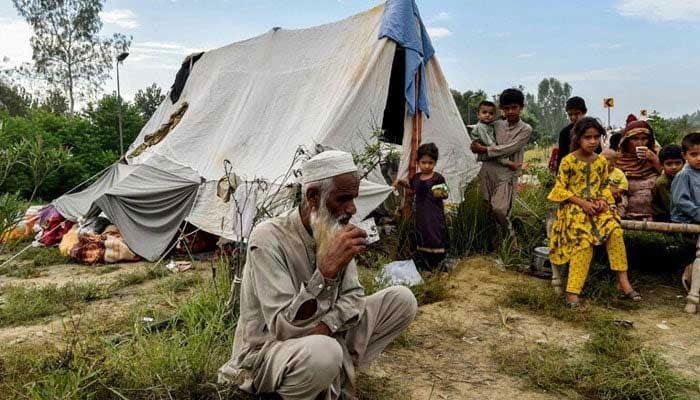
For the first time in more than a decade, the number of forcibly displaced people worldwide has fallen. Yet there is little cause for celebration. According to the UNHCR’s latest Global Trends report, 117.8 million people were forcibly displaced by the end of 2025, down by 5.4 million from the 123.2 million recorded a year earlier. The decline marks the first reduction after years of relentless increases in displacement driven by conflict, persecution, violence and human rights violations. The headline figure may appear encouraging, but the broader picture remains sobering. Nearly 118 million people still remain uprooted from their homes, a number that has doubled over the past decade and remains at historically high levels. the UNHCR itself has described the total as “unacceptably high”.
What explains the decline? The answer lies largely in increased returns. The UNHCR has reported that more people chose – or were compelled – to return home in 2025. Around 14.7 million people returned to their places of origin, a significant increase from the previous year. Major return movements were recorded in countries including Afghanistan and Syria. Afghanistan alone saw 2.9 million returns during the year, while around 1.3 million Syrians returned following political changes in their country. But the agency has cautioned against interpreting these returns as evidence that displacement crises have been resolved. Many people went back to areas still struggling with insecurity, economic hardship, damaged infrastructure and limited public services. In Syria, returnees continue to face sporadic violence and widespread destruction. In Afghanistan, many returns were linked to stricter policies in neighbouring countries rather than improved conditions at home.
The reality is that the underlying drivers of displacement remain largely unchanged. The UNHCR identifies major conflicts in Sudan, Myanmar and Ukraine among the principal causes of continued forced displacement. While the overall number has fallen, the world is still confronting one of the largest displacement crises in modern history. The figures also challenge some persistent misconceptions. Most displaced people do not travel to wealthy countries. A large proportion remain within their own borders as internally displaced persons or IDPs, while many refugees stay in neighbouring countries, often in low- and middle-income states that shoulder a disproportionate share of the responsibility. The modest decline recorded in 2025 should therefore be viewed as a reminder of both progress and fragility. It shows that returns are possible when circumstances allow while also highlighting that returning home is not the same as rebuilding a life. Displacement cannot be considered resolved simply because people have crossed back over a border. The world should resist the temptation to focus solely on whether the number is rising or falling. The more important question is whether those who return can do so safely, voluntarily and sustainably. As long as millions continue to face insecurity, destruction and uncertainty after returning home, the global displacement crisis remains far from over.