Imagine being one of the millions of gig-workers who are increasingly becoming the backbone of the global economy. This would be the delivery workers, the rideshare app drivers and even some engineers bouncing from one project to the next. This is work where people are often paid the bare minimum and with little to no labour protections. One missed delivery or angry customer, and your job is gone. ‘Oh, its 50C outside?...too bad you still have to make that delivery. Don’t wanna do it? Fine, we have thousands lining up to take your job’. This is, far too often, par for the course in the gig-work world. Now, imagine coming home after working all day on a job like this and finding out that a man has become a trillionaire. He has done so not because his company is extremely profitable, in fact, reports say it may never be so, but seemingly on the basis of sci-fi-like fantasy that he has managed to market to investors. This is not to pour cold water on everything that Elon Musk has done. Selling millions of electric cars and trying to make human life viable on other planets are ground-breaking endeavours. However, in a world where millions still go to bed hungry, to say nothing of exploitative employment, one must ask how such efforts benefit the wider world and do they really require creating the alarming kinds of wealth inequality we are currently seeing?
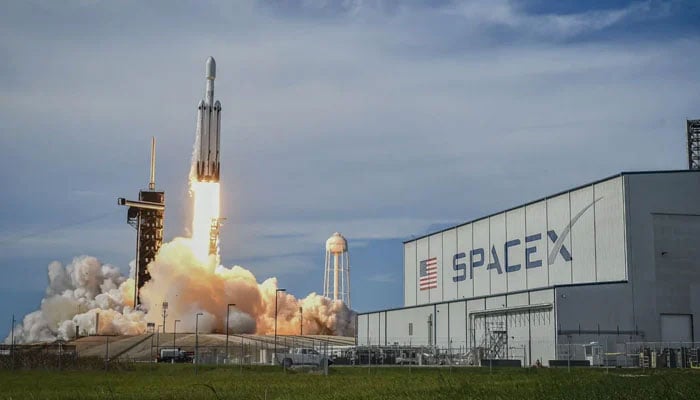
This question becomes all the more urgent when one digs into the extent of government support Musk and his companies have received over the years. SpaceX would not be where it is today without the roughly half-billion dollars in government grants it received almost two decades ago. And this is just grant money. Government contracts have also been crucial, with a $1.6 billion NASA contract coming to SpaceX at the end of 2008, when it was reportedly almost out of cash. While SpaceX is now only partly a space company, encompassing AI, social media (through X/Twitter) and the Starlink Wifi network, this early money was crucial to its success. And where would Tesla be today without the tax credits for EV buyers? This is all money that could have gone towards healthcare, education or poverty alleviation. Was spending it on these companies a better alternative? Maybe only time will tell. However, one must also ask why the government needs to rely on private companies to achieve goals like clean energy and space exploration. Why can’t governments develop a publicly funded, free satellite Wifi network? There is also the question of how, even though the funding for these companies is partly public, the benefits seem entirely private. The SpaceX IPO did not make any ordinary taxpayer a millionaire, let alone a trillionaire, despite the crucial role their money played in making the company what it is.
Then there is Musk’s work in government to consider. It has largely revolved around cutting government spending through the infamous Department of Government Efficiency (DOGE). The irony of cutting public funds while still benefiting from them seems to escape the world’s first trillionaire. Meanwhile, outside of the world of fantastic promises and valuations, life remains a grind for many of the world’s workers. Only recently, the ILO adopted the first-ever international agreement on safeguarding digital platform workers in the gig economy. The Decent Work in the Platform Economy Convention aims to extend labour protections to the approximately 425 million people worldwide who work through digital platforms, such as food delivery and car services. The fact that gig-work has been around for over a decade before the world decided to treat its workers decently speaks volumes. More to the point, humanity, especially in recent years, has seen international treaties be treated like turnstiles. Which next trillionaire fortune will workers’ tax money fund?