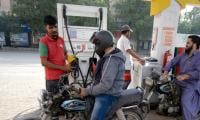
Last Friday, Khyber Pakhtunkhwa presented a budget with a total outlay of Rs2,170 billion, bringing all four provinces’ budgets to date. Named ‘Khushhal Khyber Pakhtunkhwa’, the budget includes a development programme set at Rs524 billion and proposes current expenditure at Rs1,645 billion. The cabinet has approved Rs39.63 billion for the merged tribal districts, with Rs52.28 billion earmarked under the merged districts development package. Like the federal and most of the other provincial budgets, the KP budget also proposes a 7.0 per cent increase in salaries and pensions of government employees while the minimum monthly wage has been proposed to be raised by Rs5,000 to Rs45,000. Ad hoc relief allowances of 2022 and 2025 are proposed to be merged into basic pay, and the conveyance allowance is proposed to increase by 50 per cent, a seemingly timely relief measure given that global energy prices still remain volatile and local fuel prices continue to bite. Health gets Rs334 billion in total, including Rs50 billion for Sehat Card and Rs80 billion for MTI hospitals, while education received the largest share at Rs468 billion. Roads and urban development get Rs52.9 billion and Rs38.24 billion, respectively.
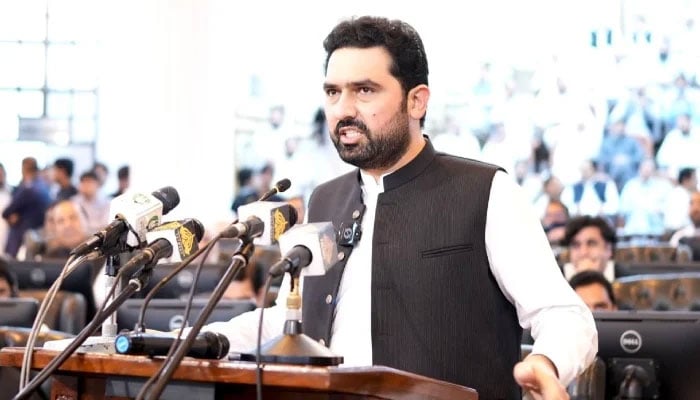
Law and order, a key concern given KP’s volatile security situation, has been allocated around Rs191 billion, with officials saying that modern weapons, drones, anti-drone systems, bulletproof vehicles, and APCs would be bought for the police. This is good news. KP is on the frontlines of Pakistan’s terror resurgence and the police, the frontlines against terror, have been too poorly equipped to deal with the terror threat for far too long. On the whole, the budget does not appear to have any major surprises and, if properly executed, could deliver good things for the people of KP. But prudent management and policy execution, while important, will not be the only factors that define economic success in FY2026-27. The budget speech itself gave a clear hint of this, with the chief minister beginning his speech by discussing Imran Khan’s incarceration. The opposition, understandably, protested and asked him to speak only on the budget.
Feuding with the centre has arguably been the defining feature of the KP government in recent years and this has likely been to the province’s detriment. Solving issues like the economy and security requires consensus. While the provinces enjoy much greater powers in the post-18th Amendment landscape, this does not mean that a good relationship with the federal government is now somehow disposable. Nor does this mean that the KP government should simply give up any legitimate and reasonable complaints and grievances that it has, or that the centre has always been in the right when dealing with this province. More of an effort can and should be made to bring it back into the fold. However, it would behove the KP government to ensure that its disputes with the centre can be contained, if not resolved completely. On issues like the economy and security, it is important for different political elements to be on the same page, as much as possible, and for any disagreements to be rooted in matters specifically pertaining to these fields.