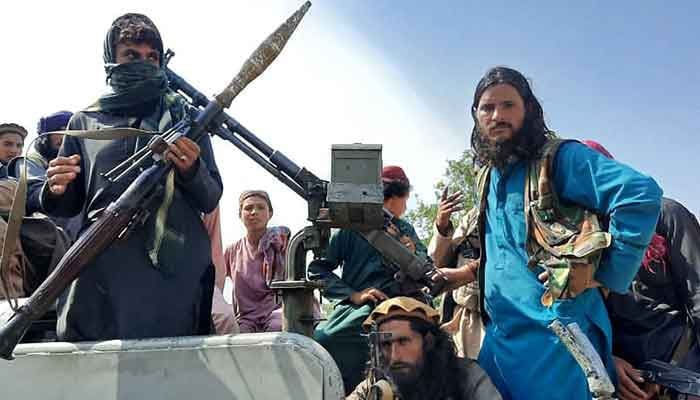
Pakistan has rightly rejected the Afghan Taliban regime’s recent claims regarding drone strikes on outlawed Daesh camps in the border areas of Khyber Pakhtunkhwa and Balochistan. According to Islamabad, the claims made by the Afghan Taliban authorities are unfounded. Pakistani officials maintain that the incident in question involved a rudimentary drone launched from Afghan territory that violated Pakistani airspace in Khyber district and was promptly neutralised by the Pakistan Air Force’s air defence system. More importantly, Pakistan has reiterated a position it has voiced repeatedly over the past several years: numerous terrorist organisations continue to operate from territories under the control of the Afghan Taliban regime. This assertion is hardly without basis. Various international reports have documented the presence of thousands of militants from different extremist groups inside Afghanistan since the Taliban’s return to power. Global terrorist organisations such as ISIL and Al-Qaeda remain threats to international peace and security, while regional groups including the TTP, the BLA, Jaish-ul-Adl and the Eastern Turkestan Islamic Movement pose direct challenges to stability across South and Central Asia.
For Pakistan, the issue is particularly acute. Islamabad has spent years urging the Afghan Taliban authorities to take meaningful action against anti-Pakistan militant groups operating from Afghan soil. Diplomatic engagement, intelligence sharing and repeated appeals yielded little tangible progress. Faced with escalating terrorist attacks and mounting casualties, Pakistan launched Operation Ghazab Lil Haq. It was not Pakistan’s preferred option, but one that policymakers deemed necessary after exhausting other avenues. Which is why the Afghan Taliban leadership would be better served by addressing the concerns repeatedly raised by Pakistan rather than engaging in what appears to be a campaign of denial and counter-allegations. The central issue remains the continued existence of militant infrastructure that threatens Pakistan’s security. Ignoring this problem will not make it disappear. Pakistan has also consistently argued that hostile external actors are exploiting Afghan territory to destabilise the country and Islamabad has frequently pointed to evidence of support for terrorist proxies targeting Pakistan. Earlier this month, Pakistan’s ambassador to the UN reiterated concerns that India’s activities in Afghanistan are aimed at undermining Pakistan’s security and encouraging instability through militant networks operating from Afghan territory. Whether at international forums or through bilateral channels, Pakistan has made clear that it will not tolerate efforts to support terrorism against its citizens.
At the same time, Pakistan has repeatedly distinguished between the Afghan people and the policies of those who govern them. The people of Pakistan and Afghanistan share deep historical, cultural and religious bonds. Pakistan’s security measures are directed against terrorist infrastructure, not against ordinary Afghans. The long-term interests of both nations lie in peace, stability and regional cooperation rather than confrontation. But the regional environment is becoming increasingly complex and Pakistan’s growing diplomatic role in regional affairs could create additional geopolitical challenges and invite new pressures from hostile actors. Concerns have also been expressed that international forums and institutions could be used to exert pressure on Pakistan despite its ongoing sacrifices in the fight against terrorism. Against this backdrop, vigilance remains essential. As Ashura approaches, security agencies must remain alert to threats posed by terrorist organisations seeking to exploit vulnerabilities and sow chaos. Continued counterterrorism operations in Khyber Pakhtunkhwa, Balochistan and against militant infrastructure threatening Pakistan’s security will remain necessary as long as these dangers persist. The message should be clear: Pakistan seeks peaceful relations with its neighbours and remains committed to regional stability but peace cannot be achieved while terrorist groups continue to enjoy safe havens and operational freedom.