Bank of Punjab President (BoP) and Chief Executive Officer Zafar Masud has said that despite Pakistan's significant progress in digital identification, financial inclusion remains limited, with 98% of citizens holding digital identity cards but only 30% of adults are part of the formal banking system.
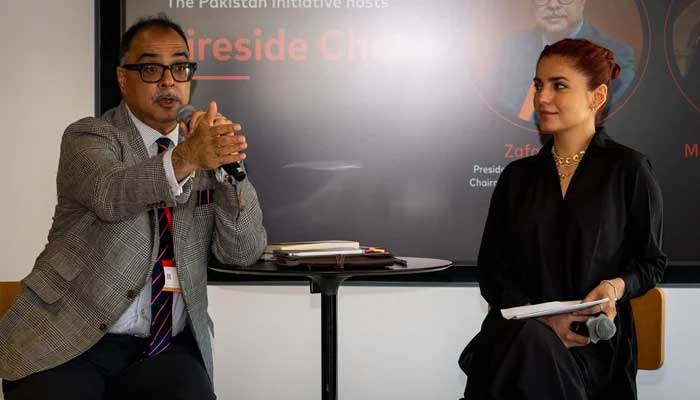
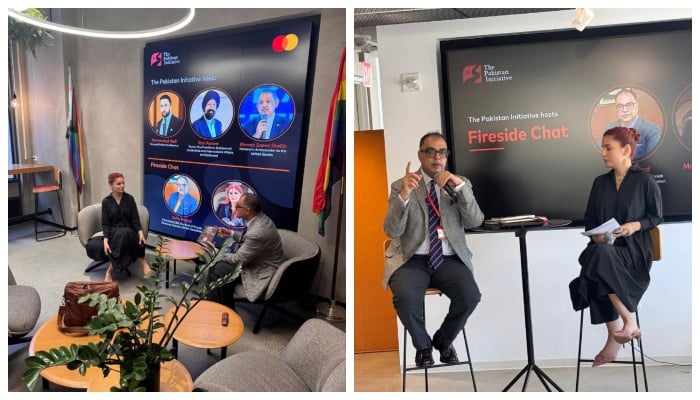
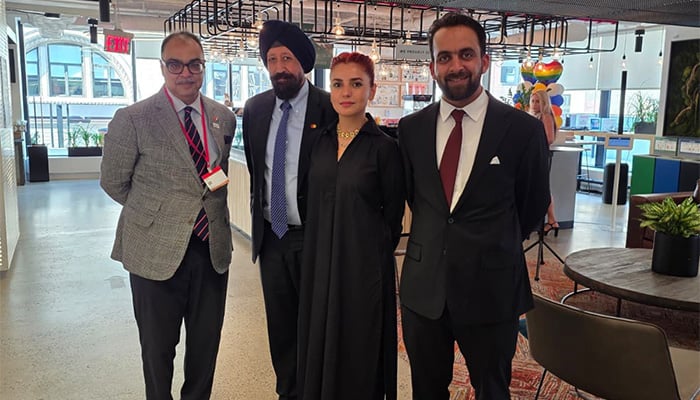
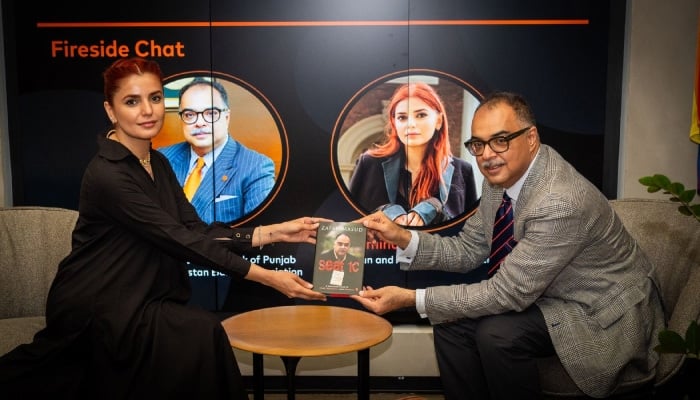
Masud was speaking at a Fireside Chat organised by The Pakistan Initiative and hosted at Mastercard in New York. The session was moderated by musician and mathematician Momina Mustehsan.
The dialogue focused on pathways towards a more inclusive future for Pakistan, with emphasis on financial innovation, digital transformation, and cultural shifts. The conversation emphasised that the primary barrier is the lack of a cohesive ecosystem and incentives.
Speaking about the country's economy and financial system, the BoP president said that a significant number of adults remain outside the formal banking sector.
Masud advocated for a "charter of society" — a collective mindset shift that prioritises data sharing and inclusive growth over silos.
He said that Pakistan is a hub of global talent, and therefore the country's banking system urgently needs to be adapted to meet the needs of freelancers and digital entrepreneurs. This, he added, is essential to bring their earnings into the formal economy.
The discussion also highlighted the potential of artificial intelligence (AI), fintech, and cryptocurrencies in shaping Pakistan's financial future.
Masud said the country should engage with these emerging technologies, particularly stablecoins for remittances, rather than avoid them, as they could improve efficiency and support greater financial inclusion.
At the session, speakers on women's empowerment agreed that the low representation of women in Pakistan's workforce and financial system is not rooted in religious barriers, but is instead a cultural issue.
They stressed that closing this gap will require strong support from male family members, alongside greater encouragement and opportunities for women's professional growth.
During the discussions on climate challenges, speakers noted that although Pakistan contributes minimally to global carbon emissions, it remains among the countries most severely affected by climate change, both financially and physically.
There was a call for greater technical capacity and awareness to make climate projects more "bankable", with the aim of attracting international funding.
At the conclusion of the event, Masud expressed views on leadership, life and mortality based on his personal experience of surviving an air crash. He also shared a message with the audience, urging self-reflection and encouraging them to live a life free from regret.