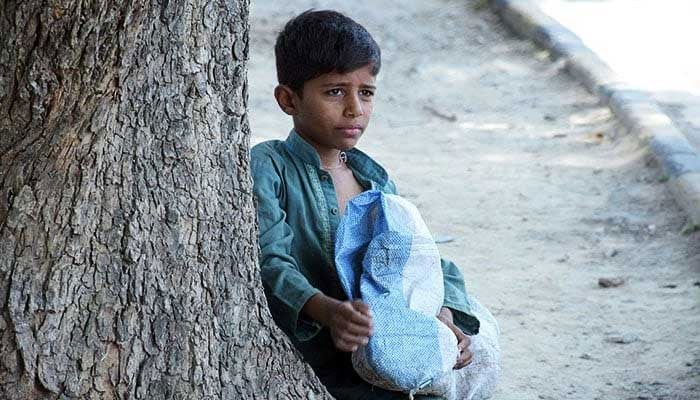
A child’s identity begins with their mother. Yet across Pakistan, thousands of vulnerable children are rescued from the streets, organised begging networks, situations of neglect or extreme poverty and enter institutional care systems where their connection to their mothers is inadequately documented, obscured or in some cases effectively erased from official records.
While such interventions are often presented as acts of protection, a deeply troubling question remains largely unasked: why are so many children being denied the right to be legally identified through their mothers?
In many orphanages, children are registered under the name of a non-biological ‘father’ or through documentation practices that fail to preserve their true family identity. In some cases, even when a biological mother is known and present, her name does not form part of the child’s official identity. The result is the gradual erasure of a child’s history, family connections and legal identity.
A child may be vulnerable, abandoned, orphaned or living in institutional care, but none of these circumstances erases the fact that every child is born to a mother. Poverty should never result in the removal of a mother’s identity from her child’s records.
The right to identity is not merely an administrative matter. It affects inheritance rights, guardianship, family tracing, access to justice, protection from trafficking and a child’s lifelong understanding of who they are. When a child’s connection to their mother is removed from official records, an essential safeguard against disappearance, exploitation and unlawful transfers is also weakened.
International child protection standards, including the UN Convention on the Rights of the Child, recognise that children have the right to preserve their identity and family relations. Identity is not a privilege granted by institutions; it is a fundamental right that belongs to every child.
The issue becomes particularly concerning when children enter orphanages or institutional care without comprehensive documentation, judicial oversight, transparent case management or effective family tracing systems. Where records are incomplete and identities are altered or obscured, accountability becomes difficult and vulnerable children become increasingly invisible.
Pakistan’s child protection system urgently requires reform. At a minimum, the law should require the mandatory recording and preservation of a child’s biological mother’s details wherever known. No institution, orphanage, NGO, or individual should be permitted to replace, omit or obscure a known mother’s identity in a child’s official records. Institutional staff should never be informally recorded as parents of children under their care, and any change to a child’s identity or guardianship should be subject to judicial oversight.
More importantly, policymakers should consider a broader principle. A mother should have the independent legal right to register her child under her own name. A child’s legal identity should not depend upon the presence, cooperation, acknowledgement or status of a father. Where a mother is known, willing and capable of identifying her child, that should be sufficient to establish and preserve the child’s legal identity.
No child should lose their name because they are poor. No child should lose their history because they enter institutional care. And no mother should be erased from her child’s identity simply because the system finds it administratively convenient.
Protecting children begins with protecting who they are. The first step is recognising an obvious truth: every child has a mother, and every child has the right to have that fact legally recognised.
The writer is the founder and president of Save Our Children Foundation.