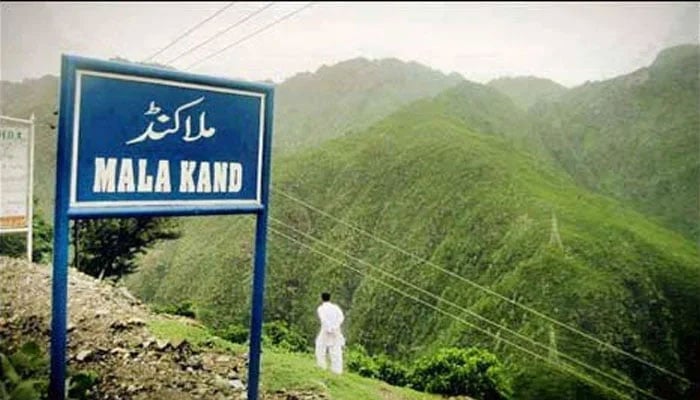
MINGORA: The business community and industrialists in Malakand Division on Tuesday expressed concerns over the imposition of taxes in the former Fata and Pata regions, urging the federal government to review its decisions, keeping in view the special constitutional and legal status of these areas.
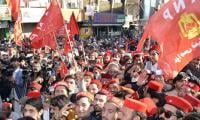
During a press conference at the Swat Press Club, representatives of various trade and business organizations, including Traders’ Association President Abdul Rahim, General Secretary Dr Khalid Mahmood, Swat Chamber of Commerce and Industry President Noor Muhammad Khan, spokesperson Yousaf Ali, Hotel Association President Zahid Khan and others warned that a protest movement would be launched if their demands were not addressed.
They said that despite widespread protests, shutdown strikes, and demonstrations held last year, the federal government proceeded with implementing a sales tax in the former Fata and Pata regions, adding that industries operating in Malakand Division were subjected to a 10 percent sales tax.
The business leaders said that the tax increased production costs for local industries, placing many small and large enterprises under financial strain. They claimed that several industrial units had ceased operations, resulting in job losses for thousands of workers.
The traders alleged that the sales tax had been increased to 12 percent in the current fiscal year’s budget, raising fears of further damage to industrial and commercial activities in the region. They argued that under the prevailing taxation framework, industries in Malakand Division were losing their ability to compete with businesses operating in other parts of the country.
The business representatives also voiced concerns over reports that the existing income tax exemptions could be withdrawn. They maintained that such a move would place an additional financial burden on traders, industrialists, service-sector businesses, and consumers, potentially contributing to higher inflation.
Calling upon the federal government, relevant institutions, and elected representatives, the traders urged policymakers to take into account the unique circumstances of Malakand Division, including the losses suffered due to militancy, natural disasters, and other crises over the years.
They stressed that the region’s economy remained fragile and that the imposition of further taxes could adversely affect economic recovery and business growth.The business leaders warned that if their concerns were ignored, the trader community would announce a future course of action and launch a protest campaign. They also appealed to the media, traders, civil society, and people from various walks of life to raise awareness about the issue and help convey public concerns and demands to the relevant authorities.