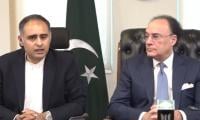
Sukkur Mayor and Spokesperson for the Sindh government Barrister Arslan Islam Sheikh has stated that the “baseless allegations, negative propaganda, and irresponsible statements” made by certain political figures ahead of the Gilgit-Baltistan elections reflect a lack of public support and political uncertainty.
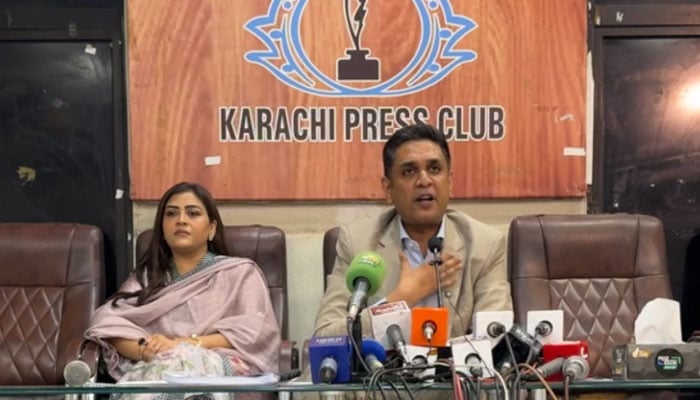
The people of Gilgit-Baltistan are politically aware and will make their decision based on performance, development initiatives, and public service rather than on accusations or divisive rhetoric, he said while addressing a press conference at the Karachi Press Club on Friday.
Barrister Sheikh described the recent remarks made by PML-N leader Captain Safdar Awan as unfortunate, stating that insensitive comments about the people of Sindh, their culture, and traditions are unacceptable. He emphasized that while political disagreement is a fundamental aspect of democracy, respect for public sentiment, culture, and political decorum remains the responsibility of every political leader.
Sheikh said Sindh is a land of love, tolerance, brotherhood, and hospitality. Greeting guests with folded hands is a centuries-old cultural tradition and a symbol of respect. To portray such gestures as weakness or political opportunism is tantamount to insulting the people of Sindh, he said and called upon Captain Safdar to offer a sincere apology for hurting the sentiments of the people of Sindh.
He further stated that if Captain Safdar genuinely wishes to understand the realities on the ground, he should visit Sindh, interact directly with the people, listen to their concerns, and witness practical politics firsthand. Public service, he said, is demonstrated not through speeches but through consistent performance, commitment, and public trust.
Barrister Sheikh added that if Captain Safdar is truly confident in his political abilities, he should focus not only on political rhetoric but also on ensuring that the federal government fulfills its responsibilities.
The people of Sindh continue to face gas shortages, unannounced power outages, rising electricity costs, and an ongoing energy crisis—issues that primarily fall within the federal government’s jurisdiction, he remarked.