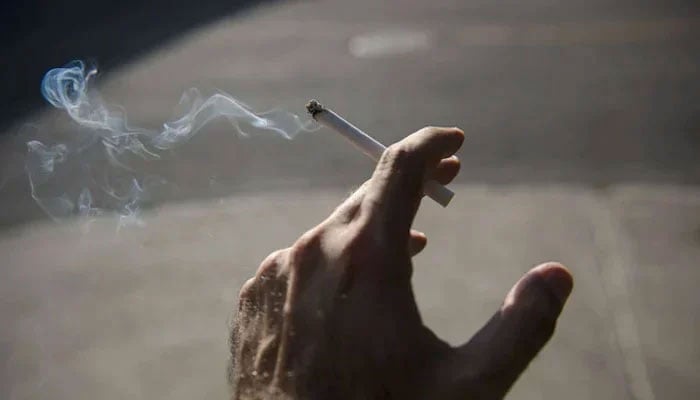
Every year on 31st May, the world observes No-Tobacco Day to raise awareness about the devastating health consequences of tobacco use and to encourage stronger action against one of the leading preventable causes of death worldwide. Despite decades of public health campaigns and scientific evidence, tobacco continues to claim millions of lives each year, destroying families, burdening healthcare systems, and reducing quality of life.
As a pulmonologist, I witness the consequences of tobacco use almost every day. Behind every statistic is a patient struggling to breathe, a family coping with cancer, or a young person whose future health has already been compromised by nicotine addiction. Tobacco is not merely a personal habit; it is a major public health crisis.
This year, the World Health Organisation (WHO) has chosen the theme: “Unmasking the appeal – countering nicotine and tobacco addiction.” The campaign highlights how tobacco and nicotine industries continue to target younger generations through attractive packaging, sweet flavours, social media marketing, and the promotion of newer nicotine products such as e-cigarettes and nicotine pouches.
The message is clear: tobacco companies are reinventing addiction in a more appealing disguise.Tobacco use remains one of the most significant causes of preventable disease and premature death globally. Cigarette smoke contains more than 7,000 chemicals, many of which are toxic and at least 70 are known to cause cancer.
Smoking damages nearly every organ in the body. The lungs, however, bear the greatest burden.Among the most serious smoking-related illnesses are Chronic Obstructive Pulmonary Disease (COPD), a progressive condition that causes breathlessness, chronic cough, and irreversible lung damage; lung cancer, for which smoking remains the leading cause worldwide; heart disease and stroke, as tobacco damages blood vessels and significantly increases cardiovascular risk; respiratory infections such as pneumonia, influenza, and tuberculosis; and worsening of asthma and other chronic respiratory conditions.
Second-hand smoke is equally dangerous. Non-smokers exposed to tobacco smoke are at increased risk of heart disease, lung cancer, and respiratory illnesses. Children exposed to smoke are more likely to develop asthma, recurrent chest infections, and impaired lung growth.
One of the most concerning developments in recent years is the growing popularity of vaping devices and other nicotine products among adolescents and young adults.Many people mistakenly believe that vaping is harmless. While some products may contain fewer toxic substances than conventional cigarettes, this does not make them safe. Nicotine itself is highly addictive and can negatively affect brain development in adolescents. Furthermore, e-cigarettes contain chemicals that can irritate and damage the lungs.
We are increasingly seeing teenagers who have never smoked traditional cigarettes becoming addicted to nicotine through flavoured vaping products. Attractive colours, fruity flavours, and aggressive digital marketing have created the false impression that these products are modern, fashionable, and harmless.
This is precisely why this year’s WHO theme is so important. The tobacco industry shifted its strategy from openly selling cigarettes to subtly engineering addiction through products designed to appeal to youth.
The impact of tobacco extends beyond individual health.Families suffer emotionally and financially when loved ones develop chronic illnesses or cancer. Healthcare systems spend enormous resources managing tobacco-related diseases, many of which are entirely preventable. Productivity is lost when individuals become chronically ill at a younger age.
In developing countries, the burden can be even greater because many patients present late with advanced disease and limited access to specialised care.
In countries like Pakistan, tobacco use remains a major challenge. Cigarettes, shisha, gutka, naswar, and vaping products continue to be widely used. Unfortunately, awareness regarding the long-term consequences is still insufficient, especially among the youth.
The rise of social media has also made tobacco promotion more subtle and difficult to regulate. Influencers and online content often normalise smoking and vaping, creating the perception that these habits are associated with confidence, independence, or social status.
One of the most important messages I give my patients is this: it is never too late to quit smoking.
The body begins to recover remarkably quickly after smoking cessation. Within just 20 minutes, heart rate and blood pressure start improving. Within days to weeks, breathing and circulation improve, and over time the risks of heart disease, stroke, COPD progression, and cancer decrease significantly.
Many smokers attempt to quit multiple times before succeeding. Nicotine addiction is powerful, and quitting is not simply about willpower. Support from healthcare professionals, counselling, nicotine replacement therapy, and medications can substantially improve success rates.
Family support is also crucial. Encouragement without judgment can make a tremendous difference.The greatest victory against tobacco will not only come from helping current smokers quit, but from preventing young people from starting.
Parents, teachers, healthcare workers, policymakers, and communities all have a role to play.We need stronger regulation of tobacco and nicotine advertising, increased taxation on tobacco products, plain packaging with prominent health warnings, restrictions on flavoured nicotine products aimed at youth, smoke-free public spaces, greater awareness campaigns in schools and universities, and easier access to smoking cessation services.
Young people must understand that tobacco companies profit from addiction. Behind the colourful packaging and attractive marketing lies a product that damages lungs, hearts, blood vessels, and lives.
World No Tobacco Day is not just a symbolic observance. It is a reminder that tobacco continues to threaten global health despite all the knowledge and progress we possess today.
As healthcare professionals, we have a responsibility to educate, support, and advocate. Governments must continue strengthening tobacco control policies. Families and communities must encourage healthier lifestyles. Most importantly, individuals must recognize that protecting their health is one of the most valuable decisions they can make.
The fight against tobacco is not simply about preventing disease; it is about protecting future generations from addiction and avoidable suffering.This World No Tobacco Day, let us “unmask the appeal” of tobacco and nicotine products and recognize them for what they truly are: dangerous tools of addiction disguised as lifestyle choices.
Every cigarette not smoked, every vaping device refused, and every successful attempt to quit represents a victory for health, families, and society.The time to act is now. (The writer is a consultant pulmonologist at ShaukatKhanum Memorial Cancer Hospital, Lahore)