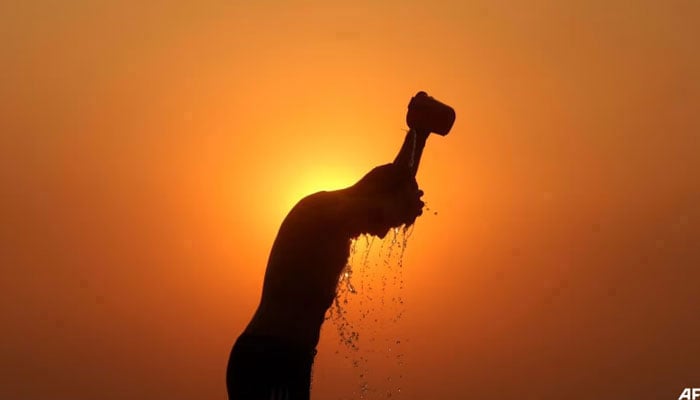
Pakistan’s battle against climate change is no longer a distant policy debate; it is now an everyday struggle for survival. As Eidul Azha approaches, millions across the country are preparing to celebrate under the shadow of an intense heatwave. The warnings issued by the Pakistan Meteorological Department and disaster management authorities are alarming but hardly surprising. Extreme heat has become a recurring feature of life in Pakistan and each passing year seems hotter than the last. The tragedy is that, while Pakistan contributes little to global carbon emissions, it remains among the countries most vulnerable to climate-induced disasters. From devastating floods to prolonged droughts and rising temperatures, climatic shocks are steadily eroding the country’s economic and social foundations. The State Bank of Pakistan’s findings that Pakistan has suffered climate disasters at rates above global and regional averages should serve as a national wake-up call. Equally troubling are World Bank projections warning of severe GDP losses by 2050, particularly in agriculture and industry.
Yet despite these warnings, environmental destruction continues in the name of development. Across Pakistan, trees are routinely cut down to make way for roads, housing schemes, commercial plazas and transport projects. Lakes, wetlands and coastal areas are encroached upon with little regard for ecological consequences. Instead of preserving urban green spaces, authorities often replace native trees with ornamental or unsuitable species that offer limited environmental benefits. Our cities have increasingly become sprawling concrete heat traps. On one hand, the country appeals to the developed world for climate financing and rightly points to the disproportionate responsibility of industrialised nations for global warming. On the other hand, domestic environmental negligence continues unchecked. Climate adaptation cannot succeed if local ecosystems are sacrificed for short-term commercial gains. Pakistan urgently needs to rethink the meaning of development. Urban planning must prioritise sustainability instead of treating greenery as expendable. Trees are not cosmetic luxuries; they are natural cooling systems that reduce temperatures, improve air quality and protect public health. Numerous studies have shown that green spaces significantly reduce the urban heat island effect, yet policymakers continue to rely excessively on energy-intensive air conditioning to make overheated cities bearable.
There is also a need to rediscover climate-sensitive architecture and traditional wisdom. Older homes in South Asia were often designed with ventilation, shade and heat resistance in mind. Thick walls, courtyards, shaded verandas and even certain fabrics and furnishings helped people cope with harsh summers without excessive energy consumption. In the rush towards glass towers and imported urban models, sustainability has been sacrificed at the altar of modernity. Countries across Southeast Asia have shown that economic growth and environmental preservation can coexist. Green spaces are integrated into urban design rather than erased from it. Pakistan, blessed with fertile land and diverse ecosystems, cannot afford to continue treating forests and trees as obstacles to development. Unless the country changes course and places environmental sustainability at the centre of policymaking, heatwaves will become deadlier, cities more unlivable and livelihoods increasingly vulnerable.