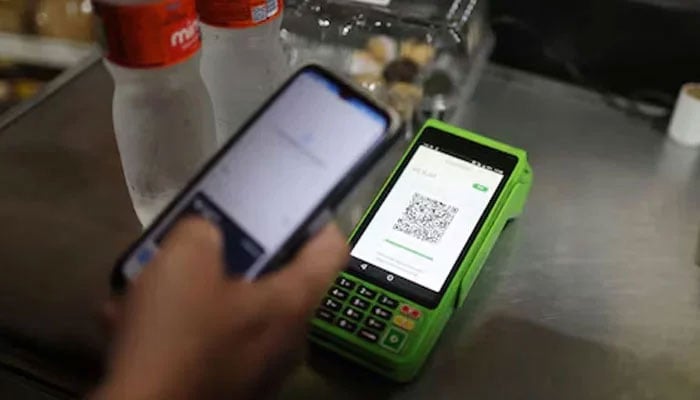
As Pakistan gradually moves towards a digital economy, the annual cattle markets that emerge around Eidul Azha offer a unique opportunity to expand financial inclusion and modernise commercial practices. The State Bank of Pakistan’s Go Cashless campaign deserves recognition for attempting to bring one of the country’s largest seasonal trading activities into the formal financial system. In markets where billions of rupees exchange hands within days, the continued dependence on cash is not only risky but also economically limiting. The dangers associated with carrying large amounts of cash in crowded cattle markets are well known. Theft, fraud and disputes are common concerns during the Eid season. Digital payment methods such as mobile wallets and QR code transactions can significantly reduce these risks while also making transactions faster and more convenient. Buyers no longer have to worry about arranging large sums of money in advance, while sellers gain access to a more secure and traceable payment system.
The SBP’s decision to temporarily relax transaction and account balance limits during the Eid period is also a sensible and practical measure. Seasonal flexibility is necessary when dealing with unusually high volumes of trade. The deployment of banking camps, kiosks, mobile banking vans, ATMs and cash deposit machines at cattle markets by 22 participating banks demonstrates that the authorities are finally trying to meet citizens where economic activity actually takes place. More importantly, such initiatives can encourage thousands of traders and small service providers – many of whom have remained outside the formal banking network for decades – to open accounts and join the documented economy. However, digitisation cannot succeed through slogans alone. Pakistan’s digital payment ecosystem still suffers from serious structural weaknesses. Internet connectivity remains inconsistent in many parts of the country, particularly in temporary cattle markets where network congestion is severe during Eid. Smartphone access is also not universal, especially among smaller traders and transport workers who form a vital part of the cattle market economy. Equally significant is the trust deficit surrounding digital payments. Many people continue to fear hidden deductions, transaction charges and technical complications that make digital banking appear costly and unreliable compared to cash.
It is easy to dismiss cash users as tax evaders, but such assumptions oversimplify the problem. For many ordinary citizens, resistance to digital payments stems less from secrecy and more from inconvenience and expense. If every transfer or withdrawal comes with additional charges, people will naturally prefer cash. The success of any cashless initiative, therefore, depends not only on technological infrastructure but also on affordability, transparency and ease of use. The authorities should treat this campaign as more than a seasonal exercise. It should become an opportunity to gather public feedback, identify weaknesses in the system and improve the overall user experience. A truly digital economy cannot be built merely by encouraging people to abandon cash. It requires creating a seamless ecosystem in which digital transactions are reliable, inexpensive and accessible to all.