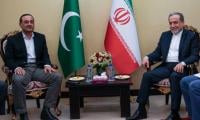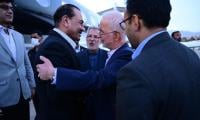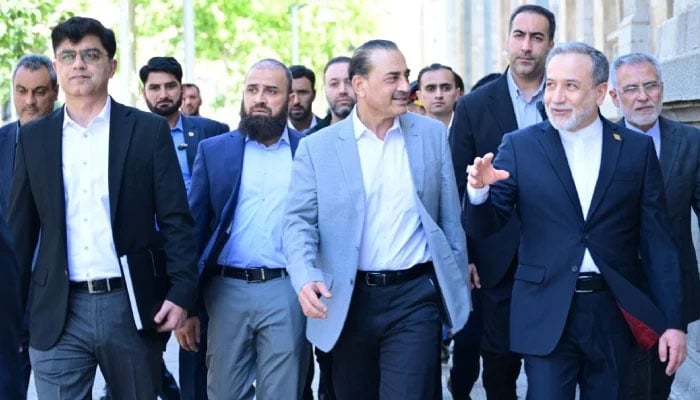
The latest statement issued by ISPR (on Saturday night) captures the central reality of the moment: after “intensive negotiations” in Tehran over the last 24 hours, there is now “encouraging progress towards a final understanding”. Coming from a process that has involved Pakistan, Iran, Qatar and indirect American engagement, this is perhaps the strongest indication yet that diplomacy may finally be gaining ground over confrontation. The visit by COAS-CDF Field Marshal Syed Asim Munir to Tehran – described by ISPR as “highly productive” – appears to have added momentum to mediation efforts aimed at preventing the region from sliding back into open conflict. The signs emerging from both Tehran and Washington suggest that something substantial may indeed be under discussion. US Secretary of State Marco Rubio has acknowledged that “some progress” has been made, while Iranian officials say their immediate focus is on finalising a memorandum of understanding with the US. Qatar’s parallel diplomatic engagement, including the emir of Qatar’s conversation with US President Donald Trump, had reflected just how seriously the current negotiations are being taken. Even though disagreements reportedly remain over uranium enrichment and the Strait of Hormuz, the overall direction appears more hopeful than it has in months.
That hope matters because there is no appetite left for another prolonged regional war. The consequences of this conflict have already spread far beyond the battlefield. Global energy markets remain fragile, inflationary pressures continue to mount and uncertainty surrounding the Strait of Hormuz has kept economies on edge. The Global South has borne the heaviest burden, with developing countries facing rising fuel prices, disrupted trade and worsening economic instability. Iran itself has suffered immense losses, including the deaths of senior officials and civilians. The human cost of the conflict cannot be erased by diplomatic language or geopolitical calculations. The US too should be aware of the domestic political costs of continued instability. Rising fuel prices and economic anxieties have become politically damaging ahead of the November midterm elections. A diplomatic breakthrough would therefore not only help stabilise the region but also provide Washington with breathing space to address growing economic discontent at home. In this sense, all stakeholders finally need to realise that a deal now serves the interests of all parties far more than another cycle of escalation.
Pakistan deserves recognition for the role it has played in facilitating dialogue at a particularly dangerous moment. Alongside countries such as Qatar, Saudi Arabia, Oman, Turkiye, Egypt and China, Islamabad has actively pursued de-escalation through sustained diplomatic engagement. The Iranian leadership’s public appreciation of Pakistan’s sincere and constructive role should also be seen as an important diplomatic achievement. All that said, caution remains necessary. We have all repeatedly witnessed promising openings collapse under the weight of mistrust, competing interests and external spoilers. Any emerging agreement will remain fragile unless all sides demonstrate genuine commitment to diplomacy rather than tactical manoeuvring. The burden now lies especially on Washington to move beyond ambiguity and ensure that diplomacy is not once again sacrificed to coercive pressure or political expediency. Still, after months of tension, devastation and uncertainty, the possibility of even a tentative understanding offers the region a badly needed reprieve. The world has seen enough destruction. It now waits –anxiously and cautiously – for diplomacy to prevail.