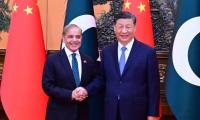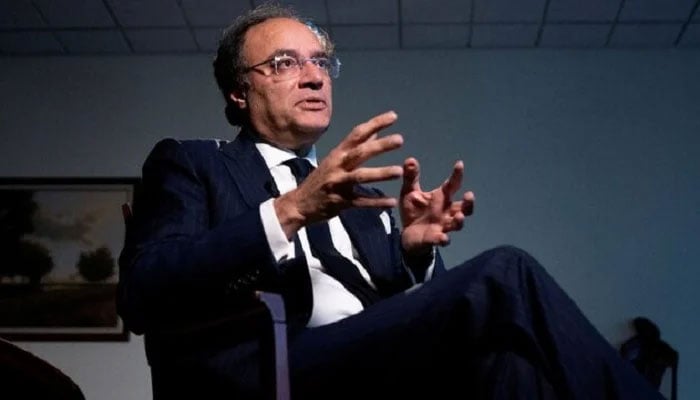
ISLAMABAD: Pakistan plans to launch a Panda bond in the Chinese market in order to fetch $250 million in its first issuance within the ongoing week, and the minister for finance departed for China to accomplish this task.
Pakistan had appeared on the radar screen of international investors when it launched Eurobond last month to raise $750 million. Islamabad also raised an additional $3 billion in deposits from Saudi Arabia and also returned $3.4 billion to the United Arab Emirates. Pakistan also received $1.3 billion from the IMF as well after getting approval of EFF and RSF tranches.
Meanwhile, the minister for finance and revenue Wednesday briefed the visiting International Monetary Fund (IMF) Mission on Pakistan’s macroeconomic outlook, fiscal strategy, reform priorities and the government’s ongoing efforts to ensure sustainable economic stability and long-term growth.
The discussions focused on Pakistan’s macroeconomic stabilisation efforts, preparations for the upcoming federal budget, and the broader reform agenda aimed at strengthening fiscal and external sustainability while fostering sustainable economic growth.
Senator Aurangzeb shared encouraging developments regarding Pakistan’s external sector, highlighting positive trends in remittances and export performance. He noted that recent data indicated improvement in exports on both month-on-month and year-on-year basis, reflecting growing resilience in the economy and a gradual strengthening of macroeconomic fundamentals.
The visiting IMF Mission, led by Mission Chief Ms Iva Petrova, acknowledged the positive progress made by Pakistan in maintaining macroeconomic stability despite a challenging global and regional environment. The Mission appreciated the government’s continued commitment to prudent economic management and reform implementation.
The IMF team emphasised the importance of sustaining reform momentum, maintaining fiscal discipline and advancing structural reforms to support durable and inclusive economic growth. Discussions during the meeting also focused on the broader macroeconomic framework, the government’s reform agenda and priorities for the upcoming budget.