Karachi: Medical experts at a seminar on bone and soft tissue sarcoma highlighted major advances in limb salvage surgery, saying modern treatment options are helping many cancer patients avoid amputation and return to active lives.
“For many years, a diagnosis of bone or soft tissue tumors, or sarcoma, often meant amputation. Families feared not only cancer, but also the loss of a limb and lifelong disability. Today, this is no longer the only option,” said Dr. Khalil Khatri, Consultant Orthopedic Oncologist and Assistant Professor at Liaquat National Hospital.
Speaking at the seminar on sarcoma management, Dr. Khatri explained that limb salvage surgery involves removing the tumor completely while preserving the affected limb. “The goal is to cure the disease while maintaining as much normal function as possible,” he said.
He noted that advances in imaging technologies such as MRI and CT scans now allow surgeons to determine the exact size and spread of tumors, helping them plan more precise operations.
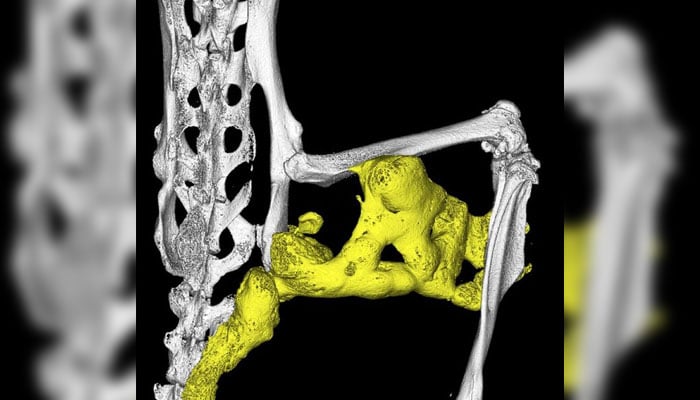
“When a tumor affects the bone, we may need to remove a large section. Today, we can replace the missing bone with special metal implants called tumor prostheses,” he said, adding that these implants are durable, long-lasting, and enable early movement after surgery. Dr. Khatri said surgeons also use treated bone from the patient or donated bone from bone banks in certain cases.
Highlighting challenges in developing countries such as Pakistan, he said cost remains a major obstacle. “However, we are finding creative solutions, including locally manufactured implants, recycling sterilized bone after tumor removal, and adopting cost-effective surgical techniques,” he added.
He stressed that early diagnosis is critical. Persistent swelling, unexplained pain, or a growing lump should never be ignored, as timely treatment can save both life and limb.
Dr. Khatri further emphasized that rehabilitation and emotional support are equally important after surgery. “Many of our patients return to school, work, and even sports. Seeing them regain confidence is the greatest reward,” he said.
Experts at the seminar noted that while nationwide annual figures for benign bone and soft tissue tumors are not consistently documented in Pakistan, local studies suggest such tumors are more common in the lower limbs, particularly among individuals aged 11 to 20 years.
They added that benign bone tumors may not require treatment unless they affect movement or bone function, but regular monitoring through X-rays is necessary to ensure they do not grow or become malignant.
Chief guest Prof. Ahmad Nadeem Abbasi, Radiation Oncologist at The Aga Khan University Hospital, said soft tissue sarcomas pose significant diagnostic and treatment challenges due to the existence of more than 100 subtypes.
“Although sarcomas account for only around two percent of adult cancers, they are among the leading cancers affecting children and make up nearly 20 to 25 percent of pediatric cancer diagnoses each year,” he said.
Prof. Abbasi said sarcoma treatment requires a multidisciplinary approach involving surgeons, medical oncologists, and radiation oncologists to develop individualized treatment plans.
He explained that radiation therapy is often recommended before limb-sparing surgery to shrink tumors and improve the chances of saving the limb. “Radiation therapy damages the DNA of cancer cells, slowing or stopping their growth while minimizing side effects because it targets a specific area,” he added.
“A typical pre-surgery radiation therapy course for sarcoma lasts about 15 minutes a day, five days a week, for five weeks, though treatment plans may vary,” he said.
Guest of honour Prof. Noor Muhammad Soomro, former head of department and medical superintendent of Civil Hospital Karachi, said chemotherapy for sarcoma is usually administered in six-week cycles, followed by rest periods to allow healthy cells to recover.
He also highlighted recent advances in targeted therapy, immunotherapy, and nanodrug delivery systems, which are improving treatment outcomes while reducing toxicity.
“Nanodrug delivery systems improve drug bioavailability, enhance tumor penetration, and help overcome drug resistance. They also enable the combined delivery of multiple therapies for greater effectiveness,” Prof. Soomro explained.