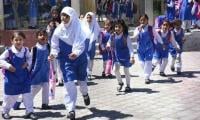
The Sindh Education and Literacy Department is reportedly set to introduce religious textbooks for Hindu students in grades three to five across government schools in the province. This is a commendable step towards inclusive education. Successful implementation could transform educational outcomes for minority communities - boosting enrolment, reducing dropout rates and enhancing Pakistan’s image internationally. However, success depends on addressing critical implementation challenges. Existing teachers and administrators must be properly sensitised to create genuinely welcoming learning environments. The policy’s reach should also extend to private schools in Hindu-majority areas to ensure comprehensive coverage.
Punjab’s recent decision to approve religious books representing multiple faiths - including Hinduism, Buddhism, Zoroastrianism, and Sikhism - offers a valuable model. Sindh should also consider expanding its own initiative beyond Grades 3 to 5 in subsequent phases. Inclusive education is a moral imperative, not merely a policy objective. With adequate resources, careful planning and genuine political will, Sindh has the opportunity to set a precedent that transforms the educational landscape for religious minorities.
Kaleemullah Khoso
Kashmore