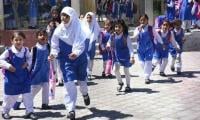
On the surface, online classes appear convenient for both teachers and students as they save time, reduce expenses and allow learning from the comfort of home. However, their darker side is often overlooked. Online learning presents a range of challenges, particularly for students whose struggles remain unnoticed yet leave long-term consequences. In countries like Pakistan, where internet connectivity remains unreliable and proper digital access is limited, online classes can deepen existing inequalities. Students from underprivileged or remote regions, particularly the rural areas of Balochistan, often struggle to access stable internet, preventing them from attending important lectures regularly.
Consequently, online education tends to benefit only those from financially stable backgrounds with uninterrupted internet access. This digital divide widens class disparities, limits equal learning opportunities and reinforces social inequality. The relevant authorities should carefully assess these concerns before switching to online classes after every disruption.
Muhammad Junaid
Hub