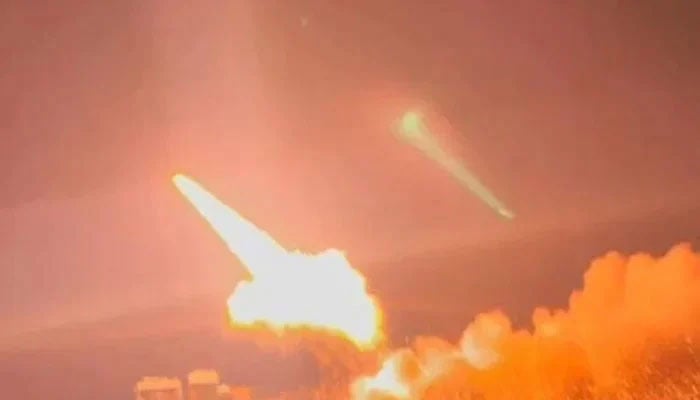
Islamabad:One year after Operation ‘Bunyan-um-Marsoos’ against India, widely remembered as Marka-e-Haq, the event continues to hold a significant place in Pakistan’s national and strategic discourse.
The anniversary has revived reflection on military preparedness, national unity and the country’s evolving role in the regional balance of power. For many Pakistanis, the operation symbolised more than a military response; it became a moment associated with resilience, confidence and collective resolve during a period of heightened regional tensions.
Conducted under the leadership of Field Marshal Syed Asim Munir, the operation is viewed within Pakistan as an example of strategic coordination and institutional preparedness. People describe it as a demonstration of the country’s determination to defend its sovereignty while maintaining operational discipline and clarity of purpose. Over the time, the operation has increasingly become part of a broader national narrative centered on unity and security.
One of the defining features of the operation was the close coordination between the Pakistan Army and the Pakistan Air Force. Their combined operational response highlighted the importance of joint warfare capabilities and integrated planning in modern conflict situations.
Analysts observed that effective coordination between ground and air forces enabled Pakistan to maintain operational momentum and respond rapidly to emerging developments. The Army’s performance during the operation drew considerable attention because of the level of preparedness and organisation displayed throughout the campaign.
Military observers pointed to improvements in command structures, tactical planning and battlefield readiness as important factors behind the operation’s effectiveness. Rapid mobilisation and disciplined execution reflected an institutional emphasis on strategic planning and operational cohesion.
The PAF also played a prominent role in shaping the outcome of the operation. Its ability to provide support to ground forces and maintain operational advantage reinforced perceptions of Pakistan’s growing technological and combat capabilities.
The professionalism of PAF pilots and the speed of their response became central themes in domestic discussions surrounding the conflict. Beyond military considerations, the operation had a notable psychological and emotional impact within Pakistan.
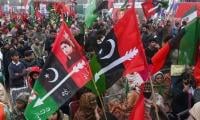
The events surrounding Marka-e-Haq generated visible public support for the armed forces and triggered a broader wave of patriotism across the country. Public confidence in Pakistan’s defence institutions rose significantly, with many expressing renewed trust in the country’s ability to protect its sovereignty and national interests.
The operation also influenced regional perceptions regarding the balance of power in South Asia. India has traditionally been viewed as the dominant military power in the region due to its larger economy, resources and defense infrastructure.
However, within Pakistan, the outcome of Operation Bunyan-um-Marsoos was interpreted as evidence that strategic planning, preparedness and coordination can offset conventional numerical advantages.
The operation therefore became part of a larger narrative emphasising the importance of institutional capability and national cohesion. Internationally, the operation contributed to Pakistan’s image as a militarily capable yet strategically restrained state.
Observers noted that Pakistan maintained a measured posture while responding firmly to regional tensions, avoiding unnecessary escalation despite the seriousness of the situation. This approach was seen by many as strengthening Pakistan’s diplomatic credibility and reinforcing perceptions of responsible state conduct during conflict.
Another important aspect highlighted during the operation was the growing role of indigenous defense production and technological development. Over the years, Pakistan has invested in strengthening its domestic military capabilities to reduce reliance on external suppliers.
The operation brought renewed attention to these efforts, with analysts arguing that local defence systems and infrastructure played an important role in operational preparedness and effectiveness.
At the same time, the anniversary also serves as a reminder that military success carries broader responsibilities. While the operation is remembered as a strategic achievement, many analysts stress that long-term peace and regional stability remain essential for sustainable progress in South Asia. Pakistan’s strength, therefore, lies not only in military capability but also in its ability to combine preparedness with restraint and diplomatic engagement.