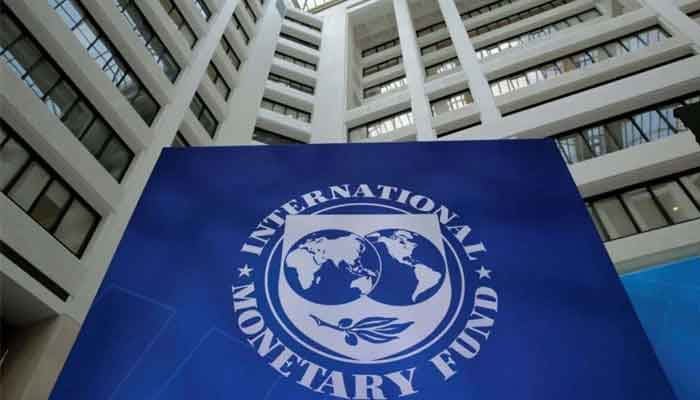
The International Monetary Fund’s Executive Board on Friday approved a staff-level agreement on Pakistan’s loan programme, paving the way for the release of $1.32 billion in fresh financing, the fund said.
The decision, which was confirmed by Finance Minister Muhammad Aurangzeb, allows for an immediate disbursement of around $1.1 billion under the Extended Fund Facility (EFF) and around $220 million under the Resilience and Sustainability Facility (RSF).
It also gives Pakistan fresh support as it rebuilds reserves and tries to keep inflation in check, while meeting IMF demands to raise revenue and advance the privatisation of state-owned companies, the IMF said in a statement.
Speaking to Geo News, Deputy Prime Minister and Foreign Minister Ishaq Dar said the approval of the tranche reflects the IMF’s confidence in the government’s measures.
Dar said Pakistan’s successful diplomacy had defeated India’s opposition efforts. He added that the government would continue its reform programme and relief measures for the public.
The lender, in an official statement, said that its board has completed the third review of Pakistan’s economic reform programme under the Extended Fund Facility (EFF) and the second review under the Resilience and Sustainability Facility (RSF).
The decision allows for an immediate disbursement of around $1.1 billion (SDR 760 million) under the EFF arrangement and around $220 million (SDR 154 million) under the RSF arrangement, bringing total disbursements under both programmes to about $4.8 billion (SDR 3,348 million).
Pakistan’s 37-month EFF arrangement was approved on September 25, 2024, and is aimed at building resilience and enabling sustainable growth. Key priorities include entrenching macroeconomic stability through sound policy implementation, rebuilding foreign exchange reserves, and broadening the tax base. It also focuses on strengthening competition and productivity, reforming state-owned enterprises, improving public services, expanding health, education and social protection spending, restoring energy sector viability, and intensifying anti-corruption efforts.
Pakistan’s policy performance under the programme has delivered progress in stabilising the economy and restoring confidence amid a challenging global environment, including the ongoing Middle East conflict. Fiscal performance remains strong, with a primary surplus of 1.6% of GDP expected in FY26, in line with targets. Inflation has risen due to higher global commodity prices feeding into domestic energy costs. Gross reserves stood at $16 billion at end-December, up from $14.5 billion at end-June 2025, and are expected to continue rebuilding over the coming year and medium term.
The 28-month RSF arrangement, approved on May 9, 2025, supports efforts to reduce vulnerability to natural disasters and strengthen climate resilience. Reforms focus on disaster preparedness, improved public investment processes, more efficient water use, stronger federal-provincial coordination, better disclosure of climate-related risks, and supporting mitigation commitments.
Following the Executive Board discussion, IMF Deputy Managing Director and Acting Chair Nigel Clarke made the following statement:
“Pakistan’s strong programme implementation under the EFF arrangement has continued, which has supported macroeconomic stability and the rebuilding of fiscal and foreign exchange buffers. GDP growth accelerated, inflation remained contained, and the current account was broadly balanced in the first nine months of FY26. Amid a more challenging and highly uncertain external environment since the onset of the war in the Middle East, Pakistan needs to maintain strong macroeconomic policies while accelerating reform efforts, which are critical to managing further shocks and fostering higher sustainable medium-term growth.”
“The authorities’ commitment to the FY26 and FY27 primary balance targets will help strengthen fiscal sustainability and policy credibility. Gradual fiscal consolidation remains appropriate to strengthen resilience and should be supported by continued efforts to boost revenue mobilisation through broadening the tax net and improving compliance, and strengthening spending efficiency and public financial management. These efforts would also create space for scaling up social assistance, human capital development, and productive public investment, while addressing tax policy distortions.”
“The State Bank of Pakistan has acted proactively to maintain an appropriately tight monetary policy stance aimed at keeping inflation expectations anchored and should continue to carefully monitor potential second-round effects on domestic prices, wages, and expectations. Exchange rate flexibility should be the main shock absorber, particularly given the need to continue rebuilding reserves. Efforts to deepen the FX market should continue, including through a carefully sequenced medium-term FX liberalisation. Proactive efforts to support financial stability remain important, including ensuring all banks continue to be adequately capitalised, and addressing microfinance banks’ capital shortfalls.”
“In an environment of high and volatile commodity prices, recent improvements in energy sector finances need to be sustained by keeping domestic fuel, electricity, and gas prices in line with costs, while protecting the most vulnerable consumers with targeted support. Continued reform efforts to reduce costs and address inefficiencies will safeguard the sector’s viability and improve Pakistan’s competitiveness.”
“Advancing and deepening structural reforms is essential to generate sustainable economic growth and attract high-impact private investment. Efforts should continue to deliver on the Economic Governance Reform actions aimed at bolstering anti-corruption institutions. Other priorities include completing SOE reforms and privatisation, and enhancing the business environment by eliminating distortions and unnecessary regulations.”
“Reducing Pakistan’s vulnerability to climate shocks will enhance macroeconomic and fiscal sustainability. Reforms supported by the RSF are helping to strengthen natural disaster response and financing coordination, improve the use of scarce water resources, reflect climate considerations in project selection and budgeting, and improve the climate information architecture.”