KARACHI: The State Bank of Pakistan (SBP) has extended permission for petroleum product imports on a CIF (cost, insurance & freight) basis until July 10, 2026, in view of the extraordinary geopolitical situation in the Middle East.
The central bank issued a circular granting the extension after the oil sector sought the relaxation last month in a letter to the SBP governor.Under CIF arrangements, the supplier is responsible for arranging freight as well as marine and product insurance (including war-risk coverage) up to the destination port. This enables suppliers to secure appropriate insurance cover and facilitates cargo movement under prevailing market conditions.
The SBP had previously granted temporary permission for CIF-based imports for 60 days in March, which the oil sector said enabled refineries and oil marketing companies (OMCs) to secure cargoes under highly challenging market conditions.
The sector, however, had sought a further extension, citing continued regional volatility with no meaningful de-escalation or normalisation of shipping and insurance conditions.The Oil Companies Advisory Council (OCAC), a representative body of OMCs and refineries, highlighted operational difficulties, particularly the limited availability and rising cost of marine and war-risk insurance, coupled with continued reluctance by shipowners and suppliers to undertake shipments. It also noted that freight rates and war-risk premiums remained elevated, while operational challenges in executing imports under C&F arrangements had not eased.
With the validity of the earlier SBP circular set to expire on May 10, 2026, the oil industry warned of significant challenges in maintaining uninterrupted supply chains if the current relaxation is withdrawn.
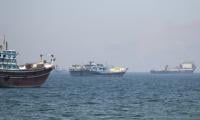
The OCAC further pointed out that marine insurers have either withdrawn or sharply increased war-risk coverage for vessels operating in the Persian Gulf and the Strait of Hormuz due to the ongoing Iran-Israel-US tensions. Freight rates for vessels operating in the Gulf have reportedly risen by nearly four times, while war-risk insurance premiums have surged sharply, making tanker chartering increasingly difficult and expensive. These conditions have significantly reduced the willingness of shipowners, insurers and suppliers to move cargoes in the region.
Under the current regulatory framework, importing refineries and OMCs are required to import petroleum products on a C&F (Cost and Freight) basis, under which the supplier arranges and pays for freight up to the destination port, while the buyer arranges and bears the cost of insurance, including war-risk cover.In the prevailing circumstances, obtaining adequate marine and war-risk insurance cover has become extremely difficult.