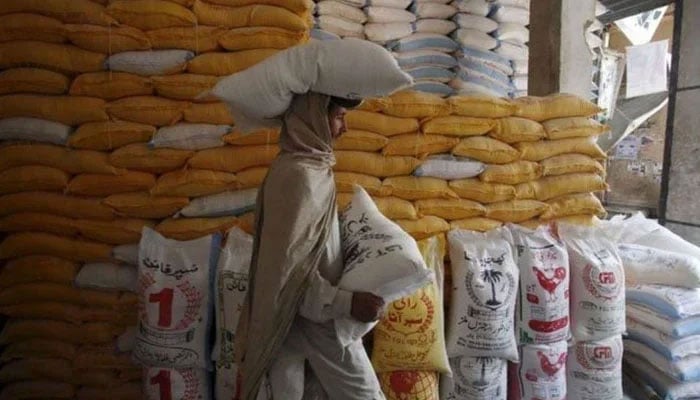
LAHORE:The standoff over flour rates has ended after the provincial Food Directorate wakes up to the ground realities of wheat market, accepting new retail rates for 10kg and 20kg bags, effectively formalising the market’s shift to an open price regime.
Following weeks of uncertainty and a brief crackdown, the Food Directorate has settled on rates proposed by the industry. The DG has accepted the retail price of Rs1,040 for 10kg and Rs2,050 for 20kg bag, reflecting a jump of Rs135 and 240, respectively in one go from previous notified price.
The decision comes after the department initially ordered mills to either sell 10kg and 20kg bags at old notified rates or shut production, and allowed Lahore mills to produce only 15kg bags. Show-cause notices were issued to leading brands for selling at revised rates linked to open market wheat costs. Officials had confirmed those directives were verbal. That crackdown was later halted, with enforcement actions and production restrictions withdrawn. Now, with the DG’s acceptance of Rs1,040 and Rs2,050 as retail rates, the matter stands resolved.
With the rates approved, supply of 10kg and 20kg bags will continue in the market. District administrations have been informed that inspections for price violations on these packs are to be closed.
Retailers confirmed that flour is now being supplied at the new settled rates of Rs1,040 for 10kg and Rs2,050 for 20kg. The Food Department has not issued a fresh written notification yet, but the DG’s verbal acceptance marks an official end to the impasse. Now Lahore’s wheat flour rate is finally aligned with other cities of the province. Meanwhile, Pakistan Flour Mills Association (PFMA) Central Chairman Badruddin Kakar demanded lifting of restrictions on movement of wheat in the country. Punjab, which produces 75pc of the country's grain, has abundant wheat in its markets. Khyber Pakhtunkhwa and Balochistan are low-production provinces and meet their needs by purchasing wheat and flour from Punjab, he said. Since last year, the Punjab government has imposed a ban on inter-provincial wheat movement, which is a clear violation of Article 151 of the Constitution, he added. We demand that if there is no shortage, the ban on wheat movement be lifted immediately to balance supply and demand nationwide so all citizens benefit from domestic produce.