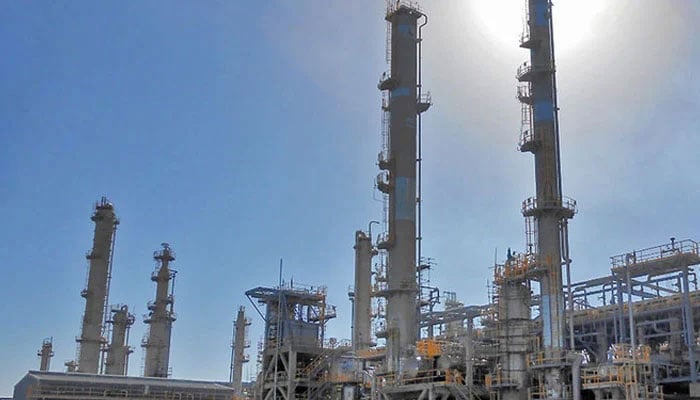
ISLAMABAD: In a move reflecting the strategic urgency of strengthening Pakistan’s energy security, the government is set to convene a high-level meeting on Tuesday (today) to resolve long-standing policy bottlenecks hindering a $6 billion refinery upgradation initiative.
The meeting, to be held at the Finance Ministry, will bring together key stakeholders, including the finance minister, minister for petroleum and natural resources, chairman of the Federal Board of Revenue (FBR), and chief executives and managing directors of all domestic refineries, along with senior officials from the Petroleum Division and the finance ministry.
At the heart of the discussions will be a proposal to enhance and lock in the Inland Freight Equalisation Margin (IFEM) by Rs1.87 per litre for a period of six to seven years. The move is aimed at stabilising refinery revenues, supporting oil marketing companies (OMCs), and enabling firms to secure financing for long-delayed upgrade projects. Industry sources indicate that making the IFEM adjustment a long-term, guaranteed margin could restore investor confidence, particularly among foreign lenders who have remained wary due to recent fiscal policy shifts.
The refinery sector’s investment paralysis stems largely from a sales tax exemption introduced in the FY25 federal budget, which covers petrol, diesel, kerosene, and light diesel oil. While the measure was intended to provide relief to consumers, it inadvertently barred refineries from claiming input tax adjustments — a critical component of their financial model — thereby undermining the viability of planned capital investments. As a result, several upgrade projects have remained stalled since June 2024.
Officials are also expected to seek the restoration of tax holidays on imported refinery machinery, plants, and spare parts, aligning them with incentives offered under the Greenfield policy. Additionally, the Petroleum Division plans to request approval from the International Monetary Fund to formalise the IFEM mechanism as a stable, multi-year support structure, coupled with a policy stability clause to ensure predictability for investors.