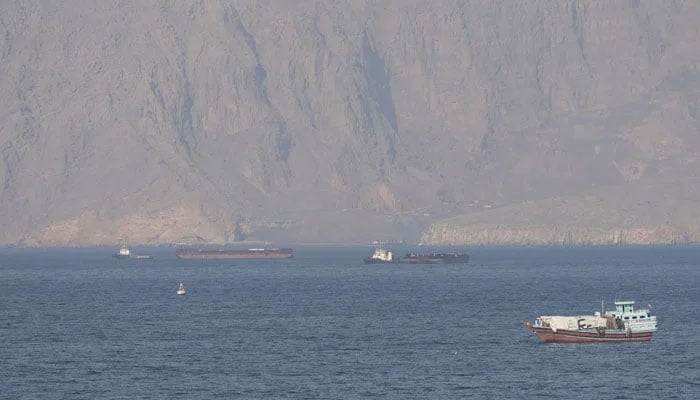
ISLAMABAD: The closure of the Strait of Hormuz has underscored the vulnerability of global governance structures, as well as the growing strain on strategic stability due to threats to the safety and openness of critical maritime waterways.
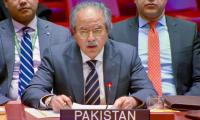
“As a littoral state in the Indian Ocean Region, with proximity to key global maritime chokepoints and an overwhelming reliance on sea-borne trade, Pakistan is fully cognizant of the paramount importance of ensuring the safety and security of international waterways. Like many developing countries across the region and beyond, Pakistan is deeply concerned and directly impacted by the closure of the Strait of Hormuz,” said Asim Iftikhar Ahmad, Pakistan’s Permanent Representative to the United Nations.
He was addressing the High-Level Open Debate of the United Nations Security Council on “The Safety and Protection of Waterways in the Maritime Domain.”
“It is in recognition of this reality that Pakistan, with the support of brotherly countries including China, Saudi Arabia, Türkiye, and Egypt, has spearheaded constructive diplomatic efforts aimed at de-escalation and the broader pursuit of stability between the United States and Iran. In its ongoing efforts to facilitate a durable resolution of the crisis, Pakistan remains firmly committed to diplomacy and dialogue and will continue to take all possible measures toward that end,” he added.
Pakistan emphasized that any disruption to routine maritime traffic has severe consequences for international trade, triggering negative ripple effects across the global economy and creating volatility that threatens international peace and security.
“The closure of the Strait of Hormuz, along with its cascading effects on food and energy security and supply-chain disruptions, is a clear case in point. If the crisis persists, immediate impacts on the procurement of oil, gas, and essential commodities such as fertilizers—and their pricing trends—will increasingly translate into second- and third-order effects on inflation, economic growth, current account balances and overall balance-of-payments stability. Undoubtedly, developing countries will bear the brunt of these consequences,” the ambassador warned.
“The global governance order is increasingly coming under strain, with wide-ranging implications. Even international waterways have not been immune to these pressures. The rules and norms that were collectively established to prevent such conflicts and confrontations are now being challenged or disregarded. This is an untenable situation, and its continuation will further undermine international peace, security, and development, to the detriment of all. Most significantly, it risks eroding trust in the rules-based international order,” the ambassador concluded.