The United Arab Emirates (UAE) will withdraw from the Opec and Opec+ oil cartels to focus on "national interests", a statement said on Tuesday, a bombshell announcement as energy prices soar over the Middle East war.
The UAE, one of the world’s top oil producers, which has previously baulked at Opec production quotas, will pull out on Friday, a statement carried by the official WAM news agency said.
"This decision reflects the UAE’s long-term strategic and economic vision and evolving energy profile," the statement said.
"During our time in the organisation, we made significant contributions and even greater sacrifices for the benefit of all.
"However, the time has come to focus our efforts on what our national interest dictates."
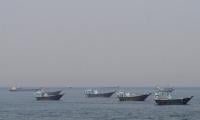
Gulf oil shipments are currently being strangled by Iran’s blockade of the Strait of Hormuz, which flows past the UAE and normally carries one-fifth of the world’s oil.
Oil prices hit $110
Stocks fell and oil rose on Tuesday as investors assessed the stalemate in the Iran conflict and worried the AI boom was losing momentum, while the dollar climbed.
The US was reviewing Tehran's latest proposal to resolve the war. A US official said President Donald Trump was unhappy with the plan as it did not address Iran's nuclear programme.
The two-month-long conflict is at an impasse and energy and other supplies are still failing to cross through the critical Strait of Hormuz, pushing oil prices above $110 a barrel on Tuesday.
Brent crude oil LCOc1 rose 3% to $111.40 a barrel, a three-week high, while US oil CLc1 was up 3.8% at $100.
Oil prices have steadily climbed in recent days as hopes have ebbed for an imminent peace deal, pushing up bond yields around the world.
Futures for the US benchmark S&P 500 stock index ESc1 fell 0.7% on Tuesday, while those for tech-focused Nasdaq dropped 1.3%.
"Earnings season has helped markets look through the disruption, but the longer key oil flows remain constrained, the greater the risk that higher energy costs begin to bite," said Matt Britzman, senior equity analyst at Hargreaves Lansdown.