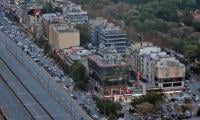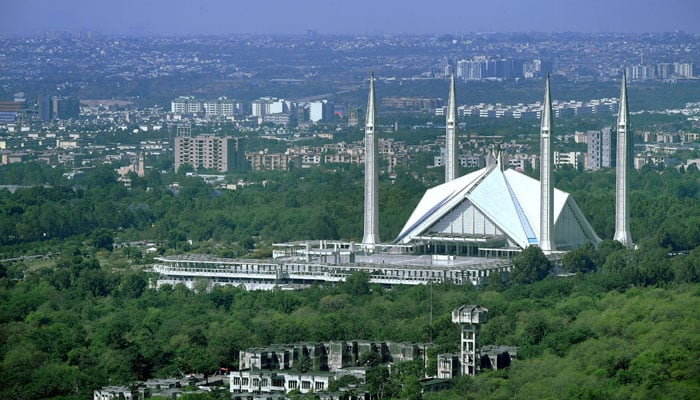
- the fact that Islamabad, once an example of sound urban planning, is becoming a tale of neglect. Sectors E-12 and C-14 remain incomplete generations after their announcement and the authorities keep developing more sectors though thousands of plot owners in abandoned ones continue to wait for basic infrastructure. Over 117 illegal housing schemes operate without NOCs; water shortages plague core sectors and after 51 revisions to the master plan, the “planned city” is losing its plan as green belts shrink and trees disappear.
- wedding celebrations and excessive food wastage because a variety of dishes are prepared for guests and a large amount of untouched food is left on plates and eventually thrown away. People say this is not only irresponsible but also deeply concerning, especially in a country where many people struggle to afford even one proper meal a day and it is time we adopt more responsible habits with proper planning, controlled servings and donating leftover food.
- the growing number of misleading advertisements for ‘medicines’ and ‘health supplements’ on social media, many of which feature prominent social and religious personalities, who may have been provided original medicines to appear in such advertisements, which trap unsuspecting people to trust and purchase such fake and possibly harmful products. People say gullible individuals often fall victim to these marketing tactics and not only lose their hard earned money, they also face risks to their health when they use them.
- the fact that while political rhetoric often labels the youth as the nation’s backbone, the reality is a systemic exclusion from decision making, so when a generation representing over 60% of the population feels its voice stifled by dynastic politics and geriatric leadership, the vacuum is filled by frustration and hopelessness. This alienation leaves youth vulnerable to narratives that offer a false sense of belonging and the lack of meritocracy and economic stability has triggered a record breaking brain drain.
- the energy crisis and how using cycles to travel short distances can solve the problem for many; help them stay healthy with regular exercise and also help reduce pollution. People say unfortunately in Pakistan there are no proper cycling lanes and there is little awareness about supporting cycling as a safe and useful transport option, so cyclists are not encouraged because riding a bicycle can be risky as traffic is heavy and drivers do not pay attention to cyclists.
- how a video of a little girl playing cricket along with boys in North Waziristan went viral across social media platforms recently, highlighting a significant divide between reactionary advocacy and the complex realities of the region. People say ‘liberals’ used the story to criticise cultural suppression, while the reaction from certain right wing figures showed a disproportionate obsession with restricting women’s role in society but effective advocacy requires more than just debates from a distance.— I.H.