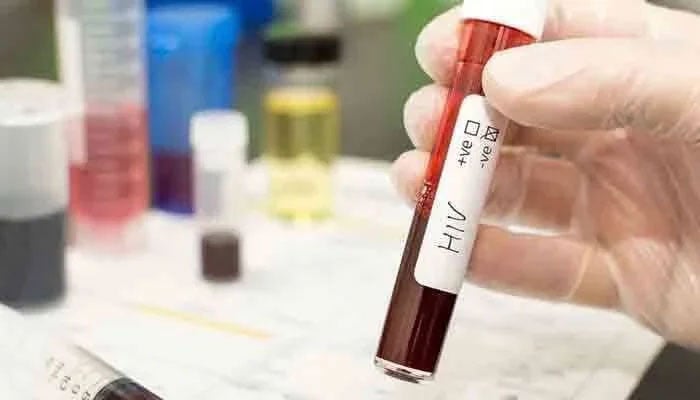
HIV/AIDS is rapidly becoming one of Pakistan’s most serious healthcare concerns. According to the WHO, new infections have risen by 200 per cent over the last 15 years – from 16,000 in 2010 to 48,000 in 2024. The WHO also estimates that 350 000 people are living with HIV in Pakistan, but, most alarmingly, almost 8 in 10 persons affected do not know their status. Why do so many people not know their HIV/AIDs status? Basic health services are, sadly, not easy to access for many Pakistanis. Even when they are, a trip to the hospital seems to be becoming a new source of danger. A new investigation by the BBC has revealed that unsafe medical practices continued at a government hospital in Punjab months after it was linked to a major HIV outbreak among children. The findings centre on Tehsil Headquarters (THQ) Hospital in Taunsa, where a surge in HIV cases among children was first spotted by private doctors in late 2024. The authorities acknowledged the outbreak in early 2025 and promised a massive crackdown and suspended the hospital’s then medical superintendent, who has reportedly claimed that the hospital was not the cause of the outbreak.
However, the undercover filming carried out by the BBC over several weeks in late 2025 shows that dangerous practices were still ongoing – a syringe being reused on a multi-dose vial, staff injecting patients without sterile gloves and through clothing and discarded needles alongside syringes and open containers. To call this unsafe would be an understatement. How on earth can one work in a hospital and not know how dangerous this is? This is also not the first time that hospitals have been linked to HIV outbreaks, with a similar case taking place in Ratodero, Sindh back in 2019. Seven years later, and it is apparent that the Ratodero tragedy did not lead to the desired changes. In the wake of the investigation, the Punjab health minister has claimed that the provincial government had already taken extensive measures regarding HIV cases in Taunsa. This includes large-scale screening in the affected area, a special counter in Taunsa to facilitate testing, counselling and treatment and a dedicated screening and treatment centre at the THQ Hospital, set up in March 2025. Meanwhile, the National Assembly Standing Committee on Health reportedly sought a detailed briefing on HIV cases on Thursday.
While these responses from the authorities are encouraging, they still do not explain why unsafe practices were continuing at THQ Taunsa through late 2025. Aside from official negligence, another disturbing pattern in the HIV saga across the country is the large number of children being infected. Of the 894 new HIV cases that Sindh has reported through the first three months of 2026, 329 are children. In the Taunsa and Ratodero cases, the children are from poor, rural districts. It is seemingly not enough for this country to deprive these children of education, safety, health and opportunity. Even those lucky enough to get into a hospital will have to face the risk of unsafe practices and getting infected with one of the most dangerous diseases in the world. This is simply unacceptable. When it comes to unsafe medical practices, there must be zero tolerance, both for those directly involved in the practices and those in charge of supervising them.