PESHAWAR: Scientists at the University of Peshawar’s Institute of Zoological Sciences have detected signs of resistance in the skin-disfiguring leishmania parasite to antimonial drugs, the primary first-line treatment for all forms of leishmaniasis.
Leishmaniasis is a neglected tropical disease that manifests in three forms: cutaneous (causing skin ulcers), mucocutaneous (affecting the lining of the mouth and other cavities along with skin ulcers), and visceral (affecting internal organs such as the liver, spleen, and bone marrow).
According to the World Health Organization, an estimated 600,000 to one million new cases of cutaneous leishmaniasis occur globally each year, although only around 200,000 cases are officially reported.
In 2023, approximately 91 percent of reported cases were concentrated in just eleven countries, including Pakistan, which recorded an estimated 59,255 cases. However, the actual number is believed to be significantly higher.
“Findings from several MPhil and an ongoing PhD study have identified early signs of resistance in Leishmania, a genus of parasitic protozoa responsible for leishmaniasis,” said Dr. Qaisar Jamal, lecturer at IZS and in charge of the Laboratory of Parasitology and Tropical Diseases at the university.
He explained that meglumine antimoniate, marketed as Glucantime, is a pentavalent antimonial compound and remains the primary drug used to treat the disease. The findings have raised concerns about emerging resistance, highlighting the urgent need for further research on the parasite’s biology and the development of new treatment options for this disease, which affects thousands of people, particularly in Khyber Pakhtunkhwa and the merged districts.
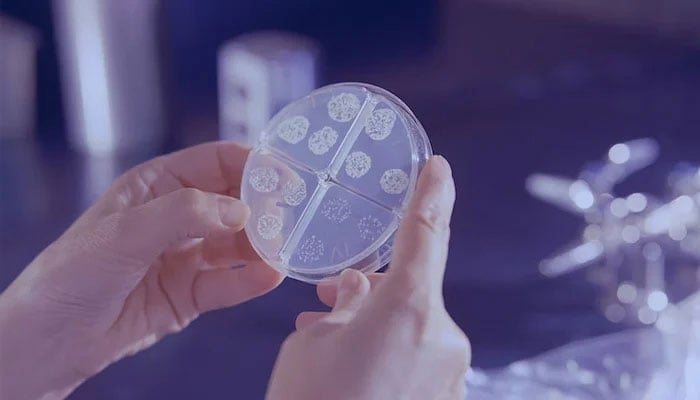
Dr Jamal noted that the laboratory serves as a key facility for culturing Leishmania through in vitro testing. The parasite is studied in its promastigote stage after being collected from infected samples.
The laboratory also acts as a repository, supplying Leishmania cultures to research centres across the country. It is currently collaborating with the university’s Chemistry Department on research involving nanoparticle-based and plant-derived treatments targeting the parasite.
He added that two PhD students are currently conducting research under his supervision on drug resistance and parasite culturing, while four students have already completed their MPhil studies in this field.
The growing resistance of the parasite requires further investigation and the development of new drugs. “If resistance continues to increase, meglumine antimoniate may gradually lose its effectiveness, as it has in other parts of the world,” Dr Jamal warned.
Discussing the causes of resistance, he said it is partly a natural consequence of prolonged drug use over several decades. Inconsistent treatment among patients also contributes, as many fail to complete their therapy. Shortages of imported drugs at healthcare facilities further aggravate the problem.
Dr Jamal also highlighted the role of climate change, noting that it affects the population and ecology of sand flies, the vectors that transmit Leishmania to humans through bites.
He explained that longer summers due to global warming are increasing the active period of sand flies, which typically become dormant during winter.The zoologist urged the government to take this public health issue seriously and invest in the development of indigenous medicines for treating leishmaniasis.
He also recommended forming a national consortium of healthcare professionals, zoologists, researchers, and entomologists to develop innovative and sustainable treatment and prevention strategies for the disease, which continues to affect thousands across the country.