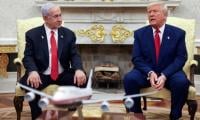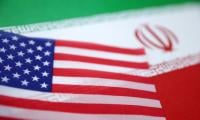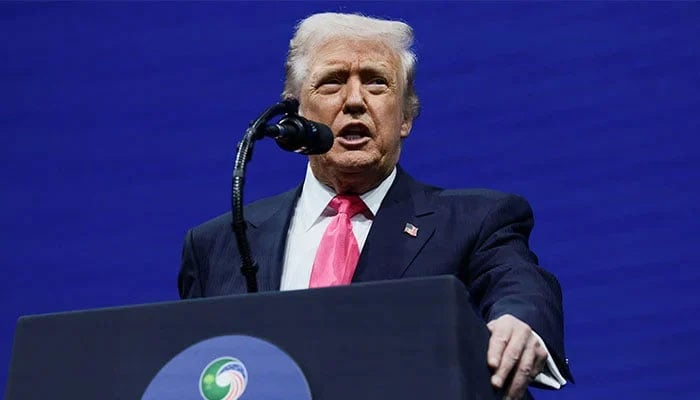
US President Donald Trump’s expletive-laden social media outburst on Easter Sunday – threatening Iran to reopen the Strait of Hormuz or “you’ll be living in hell” – can only be seen one way: a revealing moment of frustration. For a leader who prides himself on projecting dominance, the tone and substance of the message betray an administration grappling with a conflict that has spiralled well beyond its control. The American president’s post brazenly flirted with the language of further war crimes, even as Washington appears trapped in a cycle of misadventure after misadventure, each yielding diminishing returns. Even more troubling and downright offensive was Trump’s decision to sign off with an Islamic phrase in a tone that implied little in reverence. Such conduct hardly advances diplomacy. The backlash within the US itself has been telling. Some lawmakers have gone so far as to suggest invoking the 25th Amendment, which allows the vice president and a majority of the cabinet to declare a president unfit to discharge his duties. While such a move remains highly unlikely, the very fact that it is being discussed reflects deep unease.
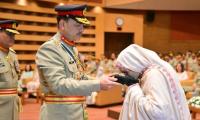
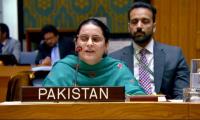
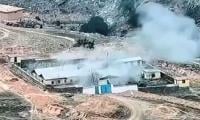
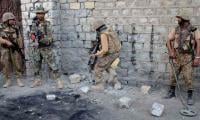
The roots of this anger are not difficult to discern. The assumption in Washington that Iran would quickly capitulate has proven disastrously misplaced. Instead, Tehran has chosen to fight back. From downed jets to the perilous recovery of pilots, American forces have encountered a level of resistance they clearly did not anticipate. It is perhaps this strategic frustration that has prompted threats of expanding the war to include attacks on civilian infrastructure, targets that should remain beyond the pale in any conflict. Not that the Americans and Israelis have ever bothered with such ethics before. Thousands have been killed in Iran: over 3000 dead, including more than 1,600 civilians and at least 244 children. Lebanon, too, has suffered heavily. Amid this grim landscape, a slender but significant diplomatic opening has emerged. Pakistan, alongside other states, has stepped forward to broker a ceasefire, reportedly presenting both Tehran and Washington with a framework aimed at halting hostilities. Under the proposed plan – tentatively dubbed the Islamabad Accord – an immediate ceasefire would be followed by a broader settlement within 15 to 20 days, including the reopening of the Strait of Hormuz and a regional framework to ensure its stability. That senior figures, including Pakistan’s army chief, have been in continuous contact with key stakeholders such as US Vice President JD Vance and Iran’s Foreign Minister Abbas Araghchi, signals both the urgency and the seriousness of these efforts. If successful, such an initiative could avert a long-term geopolitical disaster whose repercussions would extend far beyond the region.
But diplomacy can only succeed if the principal actors are willing to step back from the brink. That requires not only a cessation of hostilities but also a shift in rhetoric and intent. Continued escalation, whether through inflammatory statements or expanded military targeting, will only deepen the crisis. The path forward is clear, even if politically inconvenient: de-escalation, negotiation and a recognition that military coercion has failed to deliver results. For Washington, this means reassessing its approach and restraining its support for policies that prolong conflict rather than resolve it. For the broader international community, it means seizing the present moment to push for a sustainable peace. The world just cannot afford this war to escalate. Someone needs to tell the American president that – and preferaby get him to stop posting online.