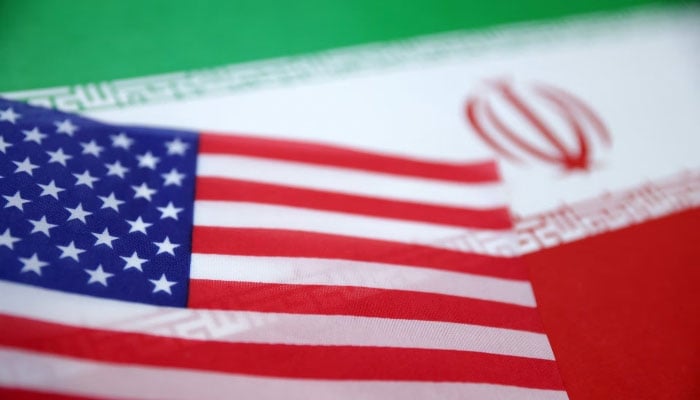
The possibility of another round of war between the US and Iran is unfortunately dangerously alive, as diplomacy seems to be struggling to keep pace with the escalating rhetoric and competing geopolitical interests. US President Donald Trump’s latest statements – threatening a “full, large-scale assault” on Iran while simultaneously claiming that negotiations are progressing positively – are really just the latest set of contradictions that have defined this crisis from the beginning. The whole world stands suspended between fragile diplomacy and catastrophic escalation. What is perhaps most telling is that America’s closest Arab allies reportedly intervened to dissuade Washington from launching another attack. Their intervention is a result of a regional reality: another war in the Gulf would be disastrous for everyone. The Gulf states understand better than most that modern wars in the Middle East do not remain confined within borders or battlefields. They spill into shipping lanes, oil markets, trade routes and entire economies. The Strait of Hormuz has already become a symbol of the global economy’s vulnerability to this conflict. Even the threat of disruption has sent tremors through energy markets and intensified fears of inflation and economic instability worldwide. A broader escalation could spread into the Red Sea and beyond, paralysing maritime trade and pushing an already fragile global economy into deeper crisis.
Iran’s reported 14-point proposal, transmitted through Pakistan, may not satisfy Washington, but is at least an indication that channels for diplomacy are still open. The demands and counter-demands from both sides are undoubtedly difficult. The US is insisting on severe restrictions on Iran’s nuclear and military capabilities, while Tehran is seeking sanctions relief, the release of frozen assets and guarantees against further aggression. The most worrying aspect of the present situation is the extent to which external pressures appear to be driving the push for renewed confrontation – case in point: Israel’s insistence on continuing military pressure against Iran despite the absence of enthusiasm for war among broader regional actors. Equally troubling is the role of sections of the US media and political establishment that continue to frame escalation as strength and restraint as weakness. The reality, however, is more complex than triumphalist narratives suggest. Despite suffering devastating losses and widespread destruction, Iran did not collapse politically or militarily. Nor did the war produce the regime change repeatedly hinted at by Washington. Instead, the conflict exposed the limits of military power in achieving political objectives. Iran’s ability to withstand prolonged confrontation despite years of sanctions has altered regional calculations and challenged assumptions about unquestioned American military dominance.
This does not mean Iran emerged unscathed in any meaningful humanitarian sense. Wars produce only devastation, grief and instability. Civilians on all sides bear the heaviest burden. But it does mean that those advocating another military campaign are ignoring the lessons of the last few months. A second round of conflict may not produce clearer outcomes; it may simply unleash wider destruction with consequences no one can fully control. At this moment, diplomacy may appear slow, frustrating and imperfect, but one can easily argue that it is infinitely preferable to another war whose end no one can predict. The Gulf states are right to urge caution. The international community must reinforce efforts towards dialogue rather than enable another catastrophic spiral into violence.