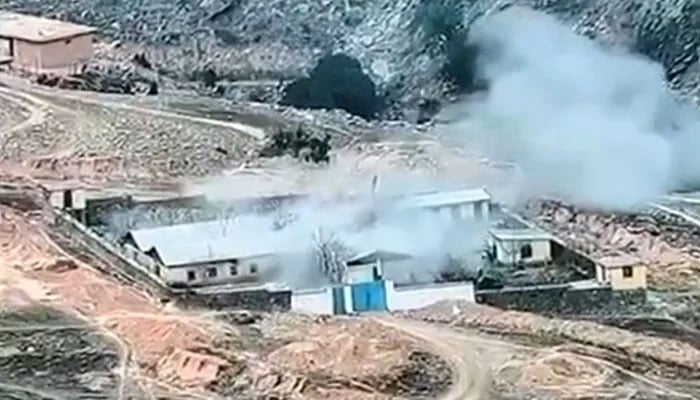
The Afghan Taliban regime continues to pursue policies that are not only destabilising the region but also inflicting immense suffering on its own people. It was in this context that Pakistan’s ongoing Operation Ghazab Lil Haq was started, reflecting the growing frustration in Islamabad over Kabul’s persistent refusal to act against terrorist organisations operating from Afghan soil, particularly the TTP and the BLA. Despite repeated rounds of negotiations and diplomatic engagement, the Taliban regime has shown little willingness to dismantle the networks using Afghanistan as a base for cross-border violence. This policy is both reckless and self-defeating. No government seeking legitimacy and stability can afford to provide space, directly or indirectly, to armed groups that threaten neighbouring states. The consequences are already visible. Pakistan, once regarded as one of the Afghan Taliban’s closest backers and facilitators, has now found itself quite compelled to launch military operations and tighten its approach towards Kabul. It is also no secret that relations between the two countries have deteriorated sharply, undermining regional cooperation at a time when Afghanistan desperately needs economic support and diplomatic engagement.
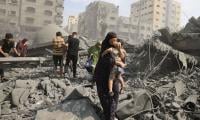
What makes the Taliban regime’s approach even more incomprehensible is the catastrophic condition of Afghanistan itself. The country remains trapped in one of the world’s worst humanitarian crises. Millions of Afghans face extreme poverty, food insecurity and debt. Families are struggling to secure the most basic necessities – food, water, shelter and healthcare. Reports of fathers marrying off young daughters simply to survive are symptoms of a collapsing social order. When a population is pushed to such desperation, governance ceases to be about ideology and becomes a question of human survival. Yet instead of prioritising economic recovery, international reintegration and the welfare of their citizens, the Taliban leadership continues to pursue ideological rigidity and regional adventurism. Their treatment of women has already isolated Afghanistan diplomatically and economically. Restrictions on female education and employment have drawn global condemnation and choked off opportunities for international assistance and investment. Combined with their unwillingness to confront militant groups, these policies have turned Afghanistan into a state increasingly cut off from the world.
The tragedy is that the Taliban hardly face an impossible dilemma. The steps required to improve Afghanistan’s standing are neither complicated nor unreasonable. They must stop allowing terrorist groups to use Afghan territory for attacks against neighbouring countries. They must also restore basic rights and freedoms, especially for women and girls. How are these impossible standards? These can hardly be called Western impositions. These are basic prerequisites for stability, development and international acceptance in the modern world. Pakistan has consistently shown patience in dealing with Kabul. Even amid rising terrorist attacks, Islamabad continued to pursue dialogue and negotiations in the hope that shared history, geography and interests would produce cooperation. But diplomacy cannot succeed indefinitely when one side refuses to address core security concerns. No sovereign state can tolerate cross-border terrorism indefinitely. The Taliban leadership must understand a simple reality: a government cannot claim victory while its people starve, its children remain uneducated and its economy collapses. If the Afghan Taliban continue down this path, they risk ruling over an impoverished and isolated territory rather than a functioning nation. They need to shed the politics of the past if they wish to get the benefits of the present. Harbouring militants and suppressing one’s own population can only go so far.