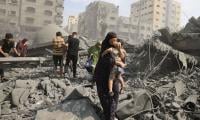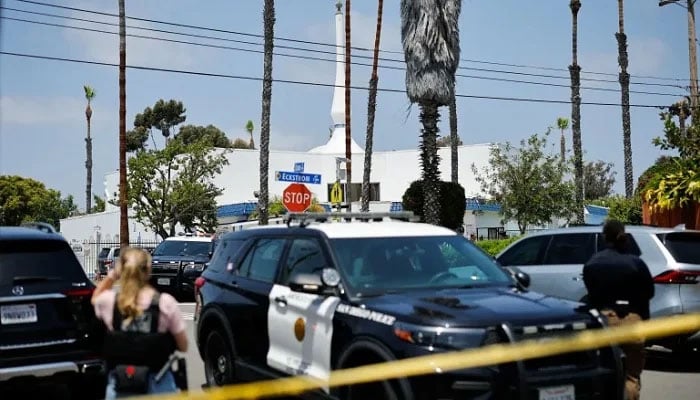
The deadly shooting at the Islamic Center of San Diego was not an isolated tragedy committed in a vacuum. It was the predictable consequence of years of anti-Muslim rhetoric, political opportunism and the steady normalisation of Islamophobia across Western societies. Investigators reportedly found anti-Islamic writings and extremist material linked to the teenage attackers, while authorities are treating the incident as a hate crime. For decades, Western democracies have projected themselves as defenders of liberty, inclusion and human rights. Yet, when it comes to Muslims, these principles are too often applied selectively. The surge in anti-Muslim hatred after the 9/11 attacks permanently altered the social and political landscape for Muslim communities in Europe and North America. Since then, Muslims have repeatedly been portrayed through the lens of suspicion, extremism and violence. This hostility intensifies during moments of geopolitical crisis. Human rights groups have long documented spikes in anti-Muslim hate crimes after terrorist attacks, refugee crises and polarising political campaigns. The Gaza war following the October 2023 attacks pushed this hatred to another alarming level. Across much of Western discourse, Palestinian suffering was minimised while Muslim resistance was framed as a threat to civilisation itself. Hate crimes surged. A six-year-old Palestinian-American child was murdered in Illinois. Muslim students and women wearing hijab or keffiyehs became targets of harassment and violence. Such incidents emerged from an environment where anti-Muslim prejudice had already been normalised.
The San Diego attack also exposes another uncomfortable truth: social media and modern political communication have become accelerators of hatred. Rage-driven algorithms reward incendiary content because outrage generates engagement. Extremist propaganda now spreads with unprecedented speed, reaching vulnerable individuals around the clock. Political rhetoric that once remained confined to campaign rallies is now amplified endlessly online, mutating into conspiracy theories and violent fantasies. Equally troubling is the silence that often follows anti-Muslim hatred. Anti-immigration and anti-Muslim marches in Western cities are frequently tolerated under the banner of free speech, while negative portrayals of Muslims continue to dominate sections of mainstream media. Even many who identify as liberals often approach Muslim identity through deeply paternalistic assumptions, reducing visible expressions of faith such as the hijab to symbols of oppression rather than respecting them as personal choices. The fact is that Muslims in Western democracies have contributed immensely to their societies in every sphere and yet many continue to live under the shadow of suspicion.
Reports indicate that mosque security guard Amin Abdullah and other worshippers sacrificed their lives trying to protect children and fellow congregants during the attack. Their courage stands in stark contrast to the hatred that targeted them. Political leaders must recognise that hateful rhetoric does not disappear after elections end. Fear-based narratives, even when deployed for short-term political gain, plant seeds that can grow into violence. Democracies cannot claim to champion pluralism while allowing entire communities to be demonised without consequence. Condemnations after tragedies are no longer enough. Western societies must confront the structural and political roots of Islamophobia with seriousness and honesty. That means stronger action against hate speech, greater accountability for extremist rhetoric and a media environment that does not reduce Muslims to permanent suspects.