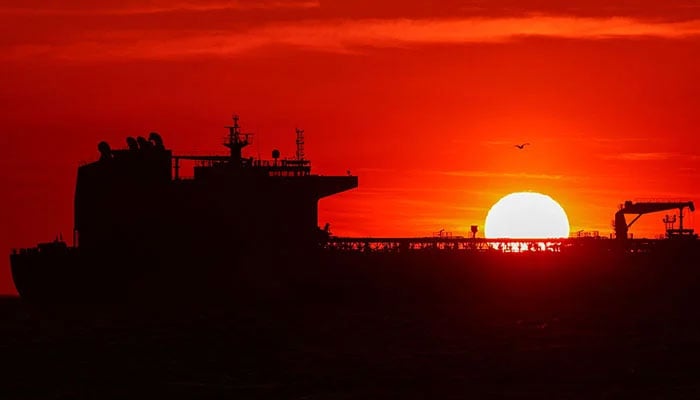
With Pakistan grappling with a terror problem on its western border and a hostile neighbour violating its water rights to the east, all while trying to mediate an end to the biggest energy shock the world has seen, it can be easy to forget that 10 Pakistani nationals have been held hostage by Somali pirates for over a month now. They were among the 17 crew members of the MT Honour 25, a Palau-flagged oil tanker, which was seized on April 21 off Somalia’s Puntland region. The vessel was reportedly carrying oil to the Puntland region and the ship is now anchored off the coast of this region. Last week, a spokesperson from the Pakistan Foreign Ministry said that the pirates had not contacted Islamabad, showing no desire to negotiate with the government, and that the vessel’s owner – a businessman based in Puntland – is negotiating with the pirates and is in touch with the Somali government, which is keeping Pakistan informed of updates. A team from Pakistan’s embassy in Djibouti visited Somalia from May 7 to May 10 and was told the captives were safe, but that Somali authorities could not storm the vessel as it carried flammable cargo.
When a vessel is seized on the high seas like this one, the country where a ship is registered has the primary legal jurisdiction over the vessel under international maritime law and the home governments of the crew and hostages usually face intense diplomatic and political pressure to secure the safe release of their citizens. While there are naval coalitions, such as the US-led Joint Maritime Information Centre, which coordinates anti-piracy efforts among coalition naval forces operating in the area, reports say that such coalitions or national navies only launch rescue raids before a ship reaches a pirate-controlled coastal stronghold or if negotiations between breakdown and hostage lives are in imminent danger.
For now, negotiations in the case of the Pakistani hostages appear to be ongoing and one hopes that they will be successful and the release of all hostages will be secured. However, conditions aboard the ship are becoming distressing. Crew members, when briefly allowed by pirates to call home, reported the ship had run out of clean water, with sailors drinking dirty tank water and surviving on boiled rice once a day. There needs to be a plan for what will happen if the negotiations, for whatever reason, go awry. The whole incident also highlights the importance of naval coalitions and security cooperation on the high seas. International waters belong to us all and their security is a collective matter. This is particularly important for countries like Pakistan, where working as a seaman is an important source of employment for many. Even though the crews of such ships are now mostly staffed by citizens of developing nations, the disruption piracy causes to international trade and commerce should be enough for every country to take it seriously. Piracy near the coast of Somalia had almost been eradicated and has risen again in recent years and with the primary provider and coordinator of maritime security now tied up in a war in Iran, the future of this key global priority remains uncertain. Countries like Pakistan might have to come up with new arrangements to keep their citizens at sea safe.