Islamabad:During first quarter of 2026, Pakistan recorded nearly 18 percent quarter-on-quarter decline in violence related to terrorism and counter-terrorism, along with a mix of promising and concerning trends in the country’s security landscape.
Centre for Research and Security Studies (CRSS) recorded as many as 813 violence-linked fatalities and 518 injuries among civilians, security personnel and outlaws across at least 248 incidents involving both terrorist attacks and the state’s counter-terrorism operations.
In terms of comparative impact, the reported drop in violence between Q4, 2025, to Q1, 2026 (from 990 to 813 deaths) was largely driven by the sharp reduction in the Khyber Pakhtunkhwa province, which recorded over 57 percent less fatalities compared to the last quarter, i.e. 311 vs 727. However, this aggregate decline masks a significant deterioration in other parts of the country. For instance, the Balochistan province saw over 104 percent surge in violence, with fatalities jumping from 217 to 443 – marking the highest toll in the last thirteen years.
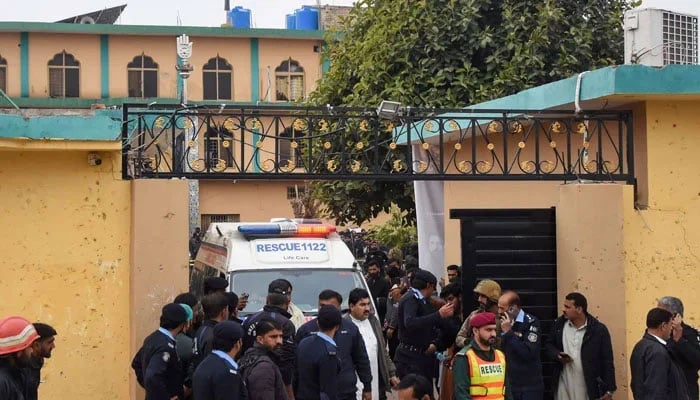
Islamabad Capital Territory (ICT) saw a 185 percent surge (13 to 37), driven largely by a suicide attack at a Shiite Mosque on Feb 6 that marked the Capital's deadliest incident since 2008. Punjab, while starting from a low base, recorded a 367 percent rise (3 to 14), signalling a concerning expansion of violence into the country's most populous province.
The data indicate that while TTP-driven violence in KP is receding, it is being offset by rising lethality in Balochistan, with concerning early signs of spill over into Punjab and the Capital. In terms of regional impact, both KP and Balochistan were the epicentres of violence, jointly accounting for almost 93 percent of all violence-linked fatalities, with over 38 percent (311) recorded in the former and almost 55 percent (443) in the latter province, marking it the most fatally hit region during the period under review.