ISLAMABAD: The domestic refining sector has emerged as a critical buffer against a potential fuel crisis, helping the country maintain stable supplies even as global energy markets face disruption due to escalating tensions involving Iran and uncertainty around the Strait of Hormuz.
Industry stakeholders say higher local production and timely government support have ensured the uninterrupted availability of key petroleum products, but caution that future resilience now depends on swift policy action.
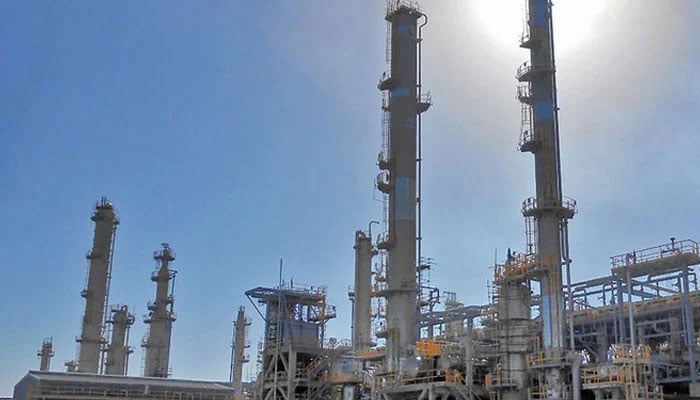
Officials noted that local refineries significantly have increased the output of motor spirit (MS) and high-speed diesel (HSD) in recent months, ensuring consistent nationwide supply despite volatility in international markets. Major players, including Cnergyico and Parco, led the effort by ramping up throughput and maintaining distribution flows, helping Pakistan avoid the shortages and long queues witnessed in several regional economies.
In addition to transport fuels, refineries also boosted production of jet fuel, supporting aviation operations and meeting strategic defence requirements, an often overlooked but vital component of energy security during periods of global uncertainty.
Industry sources attributed this stability to improved refinery utilisation, enabled by government measures that ensured adequate crude oil supplies and relative pricing stability. These steps helped prevent panic buying and allowed supply chains to function smoothly despite external pressures.
However, stakeholders stressed that sustaining this momentum will require urgent intervention to remove policy bottlenecks, particularly those delaying the long-awaited $6 billion refinery upgrade initiative. They have called on the prime minister to fast-track the implementation of the brownfield refining policy.
The policy aims to modernise existing refineries, improve fuel quality standards, and expand domestic production capacity. Despite broad consensus, it remains stalled in bureaucratic processes, raising concerns within the industry.
Analysts believe timely execution of the policy could significantly transform Pakistan’s energy landscape. Industry estimates suggest it could reduce reliance on imported petroleum products, generate annual savings of at least $2 billion, and unlock more than $5 billion in fresh investment.
Stakeholders also emphasised the need for complementary reforms, including the gradual phase-out of fuel subsidies to improve market efficiency and discourage hoarding, as well as the introduction of more flexible pricing mechanisms aligned with global benchmarks.
Experts say Pakistan’s recent experience underscores a key lesson: a strong and responsive domestic refining sector can shield the economy from global energy shocks. With the groundwork already laid, the focus now shifts to translating policy intent into swift and effective implementation to secure long-term energy stability.