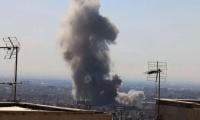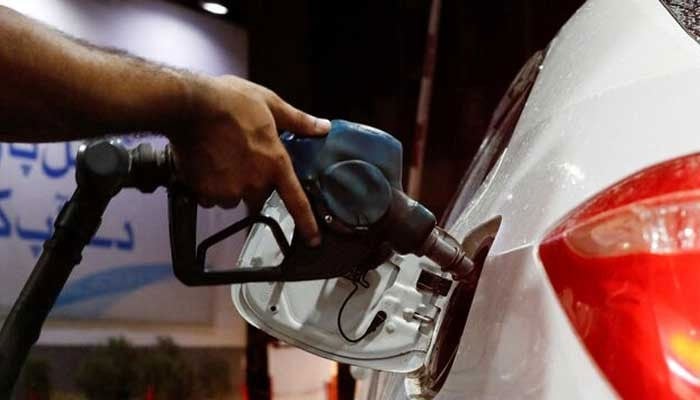
The US-Israel war on Iran is now over a month old, and it has created a very different kind of conflict for those countries caught in the energy crisis unleashed by the closure of the Strait of Hormuz. These countries are now fighting to keep things functioning as they were before the war, amid surging energy prices. Pakistan is one of the affected countries due to its heavy dependence on imported fuels; it has only recently begun to shake. Thus far, the battle against the energy shock has seen fuel prices hiked by around 20 per cent, the levy on high-octane fuel raised by Rs200 per litre, and austerity measures, including a four-day work week for government offices and schools shifting to online classes. The government has also taken steps to cut down its own expenditure, grounding 60 per cent of official vehicles and cutting the development budget. The state has also eschewed the idea of a smart lockdown, and last week the prime minister once again rejected a proposal to hike petrol and high-speed diesel (HSD) prices despite a surge in global oil prices. However, it is unclear how long the government will be able to hold this line should the war in the Middle East continue. Some analysis has also argued that lack of willingness to pass on an increase in price will not lead to the behavioural change at the consumer level that this crisis requires.
The demand for imported fuels and the dollars needed to purchase them will remain the same and this will eventually lead to depreciation of the local currency. A weaker currency has been the cause of high inflation in the past and, if this happens again, the unwillingness to raise prices will have been pointless. And while the government ought to be praised for resisting a lockdown and helping people avoid the economic pain that would result, it must be noted how easily schools were pushed back into Covid-19-era arrangements. Sadly, in 2026, online classes come with all the same problems they had in 2020. Not everyone has good internet, especially poorer students, and some would argue that children simply do not learn well online. The fact that Pakistan’s out-of-school children population has risen since the pandemic adds some weight to the argument that online education shifts can have a disruptive impact and push the poorest students out of the system altogether. Encouragingly, Punjab has announced the reopening of schools from today, and perhaps measures that reduce schools’ fuel consumption while keeping them open would be more desirable. A targeted school transport fuel subsidy might also be worth a try.
One can sympathise with the task the Pakistan government faces. When an economic powerhouse like South Korea has asked people to cut shower times and charge phones during the day and the Philippines has shortened the work week, one can only imagine how precarious things are for a nation on the verge of default about two years ago. However, the state’s austerity efforts need to be more visible. When people pay higher prices at the pump and the government tells them it is because of a crisis, they must also see their government operate in crisis mode. And while the government has imposed several austerity measures on itself, few can blame Pakistanis for thinking these measures are not being properly implemented. The status quo in the country has been for the people to struggle while those in power live it up. As such, it would not hurt to post pictures of lower power bills, adopt smaller protocols, turn off the ACs at government offices and share videos of how leaders are reducing their own power bills. In any battle, leaders must lead by example, and this becomes even more necessary when a decades-long trust deficit must be overcome.