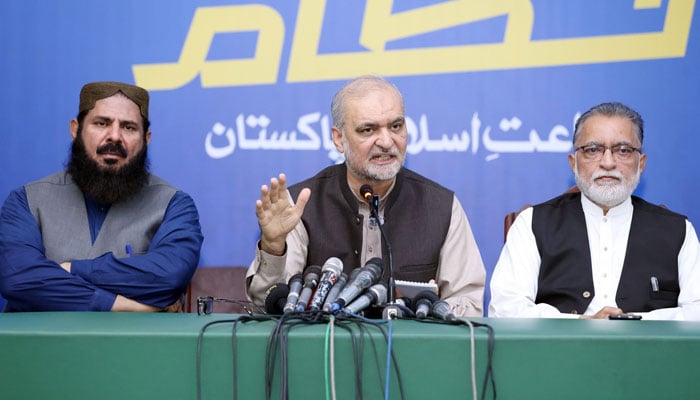
LAHORE: Jamaat-e-Islami Pakistan Emir Hafiz Naeem ur Rehman on Tuesday demanded sweeping economic and policy reforms, including halting payments to Independent Power Producers (IPPs), reducing electricity tariffs, and abolishing the petroleum levy, while also calling for renewed regional cooperation following the Iran conflict.
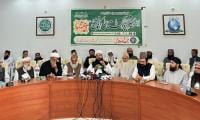
Addressing a press conference at Mansoorah, he urged the government to stop capacity payments to IPPs for unused electricity, shut down thermal power plants, and impose taxes on feudal elite. He further demanded that the petroleum levy—currently adding a significant burden on consumers—be scrapped and that the salaries of parliamentarians be restored to pre-increase levels. He also called for austerity measures, including restricting official vehicles to 1300cc and selling high-value state assets, such as an aircraft used by Maryam Nawaz and a luxury vehicle allocated to the Senate chairman, with the proceeds deposited in the national treasury.
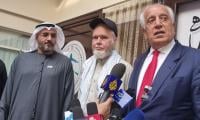
On foreign policy, Hafiz Naeem stressed that work on the long-delayed Pakistan-Iran gas pipeline should begin immediately after the end of the Iran war. He also proposed expanding the Pakistan-Saudi Arabia defence agreement to include Iran and Turkey, arguing that a broader regional alliance would deter external aggression against Muslim countries. He called for improved Pakistan-Afghanistan relations and offered his party’s support for dialogue, while stressing that Afghan territory should not be used for militant activities against Pakistan.
Commenting on global developments, Hafiz Naeem said that U.S. President Donald Trump was influenced by an elite Zionist nexus, and that the United States and Israel were aggressors against Iran and Gaza. He said Iran’s resistance had forced Washington into negotiations, calling it a victory and a lesson for the world. He further criticised large-scale civilian casualties in Gaza and Western policies, asserting that Gulf states were beginning to realise that U.S. strategic priorities were aligned with Israel.
Turning to domestic economic challenges, Rehman said Pakistan’s installed power generation capacity far exceeded current demand, adding that poor planning was the reason behind the crisis. He suggested that surplus electricity could have been utilised for data centres and industrial expansion. Hafiz Naeem held successive governments responsible for economic decline, citing a lack of strategy and mismanagement.
He also urged national unity, warning against sectarian divisions amid regional tensions, and said campaigns against Iran in the current context would indirectly support U.S. and Israeli interests. He appreciated religious scholars, including Mufti Taqi Usmani and Mufti Muneeb ur Rehman, for promoting unity.
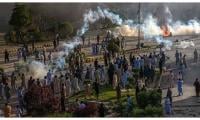
The JI chief reiterated that peaceful political resistance was a constitutional right and urged authorities not to suppress protests, while calling for action against violent elements. He also demanded a transparent investigation into deaths during protests outside the U.S. Consulate in Karachi. Responding to questions, Hafiz Naeem said Western systems were failing and that Islamic principles offered solutions to global crises.