During my recent discussions with several Vedic astrologers who are observing planetary movements and zodiac transitions, one message kept recurring. The coming days, particularly around 21 March, when the Sun enters Aries to mark the astrological new year, are predicted to be a crucial turning point for regional geopolitics as well as for Pakistan.
Astrologically, the Aries transition is a vital moment marked by bold actions, sudden breakthroughs, uncertain developments and shifts in power dynamics. The days leading up to the Sun’s entry into Aries can be particularly sensitive.
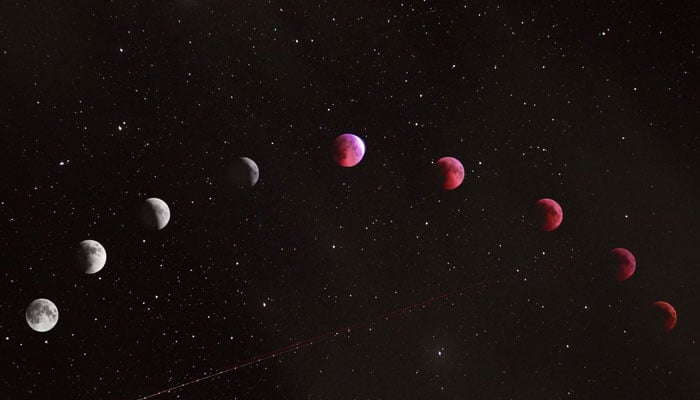
During this transitional phase, the Sun is completing its annual journey through Pisces, the last zodiac sign associated with conclusions, endings and the closing of cycles. It also marks a rare moment when the day and night are almost equal in length, creating a natural balance of power between the forces of light and darkness confronting each other.
Whether one interprets such astrological predictions literally or symbolically, the Middle East is experiencing a period of deep uncertainty, with tensions rising and alliances quietly being reconsidered. Many analysts already believe that the existing status quo in the region may not remain unchanged for long.
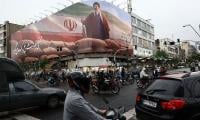
The regional situation has shifted public sentiment worldwide. Before the attacks on Iran, I believed Iranian influence in the Middle East had weakened. However, the recent military actions have dramatically altered the narrative. Public protests have appeared in many countries, including in Western capitals, where citizens have taken to the streets calling for an end to war and the protection of civilians. Social media platforms are filled with messages condemning violence against innocent populations.
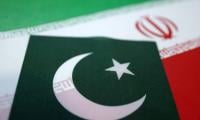
Historically, Pakistan has maintained strong defence and diplomatic relations with Gulf states, including Saudi Arabia, while also maintaining complex relations with the US. Being an immediate neighbour, Pakistan also enjoys cordial ties with Iran since day one.
The latest diplomatic developments in Pakistan have already sparked debate among political circles. It is widely argued that Islamabad could potentially play a significant role in safeguarding stability in the Gulf region.
On the other hand, some believe that Pakistan may convince the Iranian leadership to come to the table for dialogue. If Iran eventually comes to the negotiating table, several questions remain unanswered. The internal political situation within Iran itself appears uncertain. Analysts have raised concerns about the absence of the newly appointed Supreme Leader during recent developments. These uncertainties add further complexity to an already volatile regional environment.
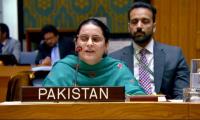
The current Pakistani government is frequently described by critics as politically fragile, and therefore making difficult decisions seems to be more difficult. Interestingly, the prime minister of Pakistan’s address to the nation avoided direct criticism of anyone. However, the following day, a message of condolence was sent to the Iranian leadership amid the war situation. This sequence of actions has drawn attention because it occurred alongside Pakistan’s support for recently tabled UN resolutions related to the regional conflict.
Ultimately, whether one believes in astrology or not, the symbolism of the zodiac’s turning point offers a useful metaphor. In my view, when astrology signals change, wise people do not rush blindly forward; they pause, observe and carefully calculate their steps. If Islamabad navigates this uncertain period with wisdom and balance, it may not only safeguard our national interests but also contribute meaningfully to world peace and stability in a troubled region. Pakistani leadership, along with its strategic institutions, must keep a vigilant eye on regional developments.
We must not forget that decisions taken in moments of uncertainty often have consequences that last for decades.
The writer is a member of the National Assembly and patron-in-chief of the Pakistan Hindu Council. He tweets/posts @RVankwani