According to the sacred Hindu epic Ramayana, when Ravana failed to safeguard his defensive secrets due to internal divisions, his kingdom fell despite all its strength. From that time onward, the proverb “When the insider betrays, even Lanka falls” became widely known, emphasising that when a trusted confidant leaks confidential information to the enemy, even the strongest of states can be conquered.
Historically, the phrase referred to human betrayal: a trusted friend, an insider, an official or a close associate leaking sensitive information to enemies. In the twenty-first century, however, the ‘insider’ is no longer necessarily a person. It may be the smartphone in our pocket, the CCTV camera mounted at our homes, or the digital security systems we trust the most.
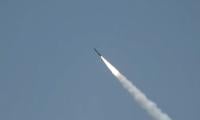
It is commonly believed that Iran’s Supreme Leader was targeted after CIA reportedly obtained information through internal spies or traitors, following which Israel appeared to launch missile strikes. However, after studying various global newspapers, I find the reality to be surprisingly different. According to my understanding, aggressive operations against Iran involved AI-based autonomous warfare systems so extensively that the human beings on the other side had no time to think or react.
In my view, targeting the Iranian Supreme Leader was not the result of an internal traitor. Rather, this may mark the first time in human history when the decision to eliminate a country’s top leadership was driven not by a human being, but by AI-powered systems. AI reportedly analysed data within moments using CCTV cameras, public surveillance systems, satellites, mobile phone signals and internet data, formulating a military strategy almost instantly.
The sequencing of missile launches was determined with such calculated accuracy that it left human observers astonished. While Iranian officials on the ground reportedly took hours to confirm the martyrdom of their supreme commander, AI systems were able to obtain and process final digital images in real time, shocking the world. Reportedly, Israeli-developed AI systems also disrupted mobile phone signals, interfered with internet connectivity and jammed radar systems to ensure the mission’s success.
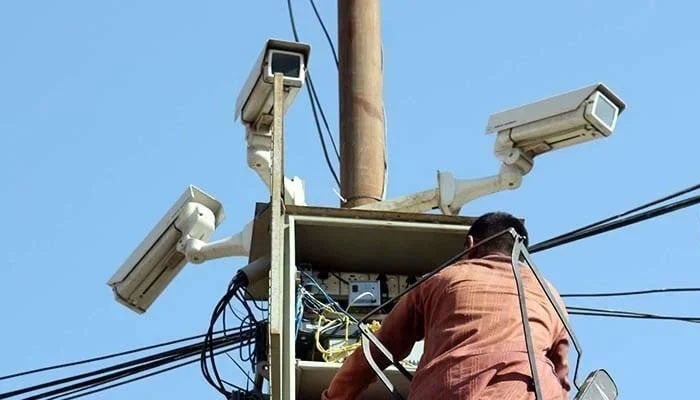
Global media reports further claim that Tehran’s traffic cameras had been hacked years ago. Recorded images and videos from security cameras installed in the Iranian capital were allegedly stored and analysed on Israeli servers. Although Iran installed these cameras for its own security, they effectively became ‘insiders’, providing adversaries with sensitive information about daily activities, meeting schedules, vehicle parking locations, and other internal sensitive details.
Interestingly, The Financial Times cited an Israeli intelligence official as saying that access to hacked camera data allowed them to understand the Iranian capital as accurately as they know their own capital city of [occupied] Jerusalem.
As I have previously highlighted in my weekly columns, modern warfare in the twenty-first century has fundamentally changed. Undoubtedly, fighter jets, autonomous drones and destructive missiles remain vital, but the decisive factor is now digital surveillance and AI-driven data analysis. In traditional wars, explosions were heard, war drums were beaten, and sirens sounded before attacks. Today’s cyber warfare, however, is marked by silence. Web servers are invisibly hacked. Valuable data is quietly stolen and backed up elsewhere. No one senses what is happening, while enemies thousands of miles away monitor every movement in real time through digital ‘insiders’, crafting devastating strategies with AI assistance.
Just as Lanka’s king fell due to internal betrayal in ancient times, modern-day Iran may have suffered irreparable damage through digital insiders, including hacked CCTV cameras, internal data leaks and foreign access to web servers. Iran’s own security infrastructure has allegedly become a reliable source of intelligence for invaders, once again proving the centuries-old proverb factually true.
At this critical moment, with recent hacking attempts in Pakistan, we should also recognise this as a warning sign about the growing digital threats to our national security. In an age defined by AI-driven warfare, safeguarding our cyber infrastructure and securing our digital frontiers must be our top priority.
The writer is a member of the National Assembly and patron-in-chief of the Pakistan Hindu Council. He tweets/posts @RVankwani