In Islamabad policy circles, ‘potential’ is a dangerous word. It acts as a soothing balm for decades of economic stagnation. We speak of our geographic location and our population as if they alone guarantee prosperity. They do not.
The reality remains starkly different. Our export performance lags far behind comparable peers, trapped in a cycle of boom and bust. We rely on a narrow base of products, leaving us vulnerable to global price shifts, supply chain disruptions, and shifting manufacturing dynamics.
The root cause is our addiction to protectionism. Pakistan currently stands as the seventh most protected economy globally. We built a tariff structure designed to extract revenue rather than encourage industrial growth. This approach created a fortress where domestic industries hide from competition. High tariffs on final goods guarantee profits without requiring better performance. If a firm knows its profits will rise by 40 per cent simply because a tariff shields it, that firm has no reason to innovate, invent, revolutionise.
This protectionism acts as a tax on our own exporters. This is the ‘anti-export bias’. When the state imposes duties on intermediate goods, it restricts technological choices. The data is damning. A 10 per cent increase in upstream tariffs slashes productivity in downstream industries by 2.5 per cent. For small exporters, the damage is worse, with the cut in productivity reaching nearly 9.0 per cent for the same increase in tariffs. We are effectively reprimanding our manufacturers attempting innovation or value-creation.
The National Tariff Policy (NTP) for 2025-30 offers a path out of this self-imposed (and self-administered) prison. The plan proposes a radical dismantling of these barriers. It aims to slash the simple average tariff from roughly 20 per cent today to under 10 per cent over five years. The proposal includes eliminating distortionary Additional Customs Duties and Regulatory Duties that confuse investors. These changes matter. Projections suggest this shift could boost exports by 14 per cent and create over 300,000 jobs.
The reform is not just about cheaper imports. It involves allocative efficiency. According to Pakistan Institute of Development Economics (PIDE)’s 2024 evaluation of the Costs of a Non-Competitive Economy, the current paradigm costs Pakistan approximately Rs1.67 trillion annually. By reducing tariffs on raw materials and intermediates, particularly for the textile and chemical sectors, we lower the cost of doing business. The plan specifically targets the Fifth Schedule, aiming to eliminate it entirely by year five. This moves Pakistan toward a simplified slab system, reducing the number of tariff tiers to just four or five predictable rates.
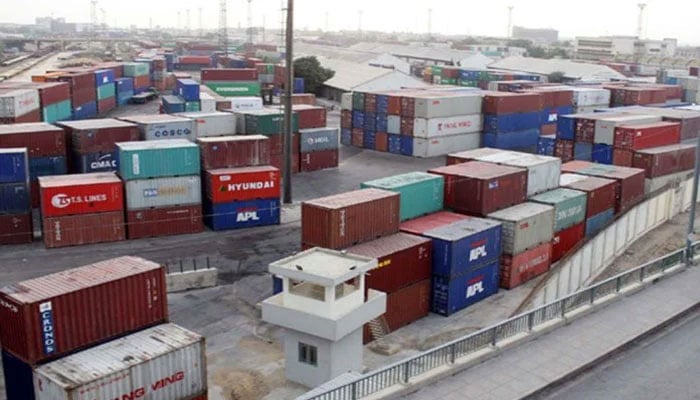
Tariffs are only one part of the problem. The World Bank notes that fundamental constraints to firm productivity persist. Red tape acts as a hidden, secondary tax. Our customs procedures remain slow. Clearing goods takes seven days in Pakistan, compared to just two days in more efficient jurisdictions. Reducing this time could raise trade volumes by up to twenty-five percent. Time is money, and our exporters lose both waiting for paperwork.
Access to capital remains another hurdle. The operationalisation of the EXIM Bank is critical. Without trade finance, even the most competitive firm cannot service international orders reliably. The current environment forces firms to rely on expensive commercial borrowing or informal networks, limiting their ability to scale. We need to prioritise new export ventures and segments when offering financing products.
While the National Tariff Policy 2025-30 outlines a clear reduction strategy, the fact remains that it is the gap between policy and execution where Pakistan often fails. We have seen plans before. The difference this time must be sustained commitment.
The choice before us is binary. We can continue to shield a few inefficient industries behind high walls, accepting the ‘potential’ and stuck in this perpetual loop. Or we can do the hard work of cleaning our own house and accepting the pain that accompanies it. We must rationalise tariffs, reduce regulatory friction and force our industries to compete on their own merits. Staying the course on The National Tariff Policy 2025-30 is the only way forward. The cost of staying safe is simply too high to bear any longer.
The writer is a partner at Tabadlab Private Limited.