“Pessimism of the intellect, optimism of the will”. Antonio Gramsci wrote this as a reminder to see reality clearly while refusing to give up on changing it.
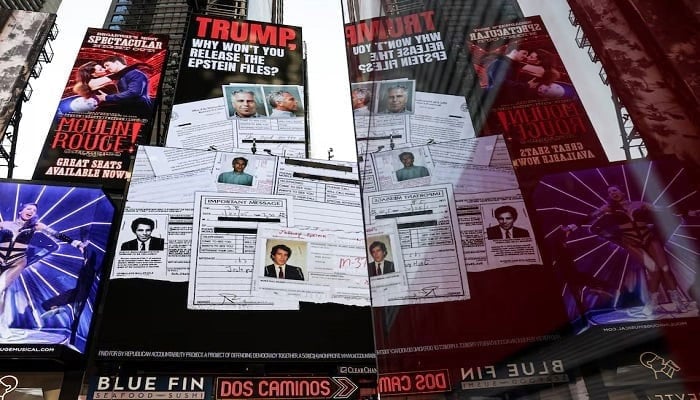
I keep coming back to that line when I think about the Epstein files. What do we make of the revelations around Jeffrey Epstein? This was not just about one man. It was about a network. Presidents, princes, billionaires, financiers, philanthropists, academics. Names that define the global order. From Bill Clinton to Donald Trump to Prince Andrew, the list cut across ideology and geography.
The point is not that everyone named is guilty of the same crime. The point is that the most powerful people in the world moved in the same circles as a convicted sex offender and, for years, nothing really happened.
What unsettled me even more was the involvement of academia. Epstein donated to and cultivated relationships at institutions like Harvard and MIT. These are not marginal spaces. They are presented as the moral and intellectual core of Western liberal civilisation. When it emerged that senior figures had maintained ties with him even after his conviction, it exposed how power launders itself through prestige.
We grow up being told that democracy, liberty and equality are real foundations of the Western order. That the Enlightenment project, for all its flaws, still anchors the system. But the Epstein affair suggests a different reality. A world where elites protect elites. Where wealth buys access, and access buys silence.
It feeds a darker conclusion. That we are living in someone else’s world. That agency is largely an illusion. That the world is for the rich and mighty, by the rich and mighty and of the rich and mighty.
Then came Gaza. The scale of destruction and the insistence by Western governments that this was simply self-defence. It is a genocide. Calling it anything else is a refusal to confront what the world has witnessed in real time. What became impossible to ignore was the double standard. The same governments that speak endlessly of human rights, international law and the sanctity of civilian life suddenly found caveats and qualifications. Legal language was twisted. Moral clarity dissolved. For many of us, that was the moment the facade collapsed completely. The moral authority of the liberal order did not just weaken. It stood exposed as selective, conditional and deeply compromised.
When you place Epstein and Gaza alongside the surge in billionaire wealth while ordinary people face rising living costs, it becomes difficult to sustain belief in the system’s fairness. Elite capture is not abstract. It is visible. The wealthy accumulate more power while democratic institutions appear performative.
So what would Gramsci say today? Would he still insist on optimism of the will? Would he argue that exposure of rot is itself an opening for change? I want to believe he would. But I struggle.
Not because I enjoy pessimism. Not because I have lost hope entirely. But because the structures feel entrenched in ways that are hard to overstate. The global elite is networked across politics, finance, academia and media. When one pillar shakes, the others stabilise it. We talk, we rage, we move on. The system continues.
Perhaps the greater tragedy is not just corruption or inequality. It is the quiet internal shift from optimism of the will to pessimism of the will. The sense that realism now demands we lower our expectations. That realpolitik is maturity and idealism is childish.
Maybe this is what it means to live in our time. To see clearly that the system is rigged and still be told to believe in it. To recognise hypocrisy at the highest levels and yet feel structurally powerless to alter it.
Gramsci warned against resignation and naive hope. He asked for clarity without surrender. I am not sure which side of that line we stand on today. I only know that clear sight without the belief that change is possible can become its own form of defeat. And that may be the deepest loss of all.
The writer works for a non-profit in Islamabad. He can be reached at: [email protected]